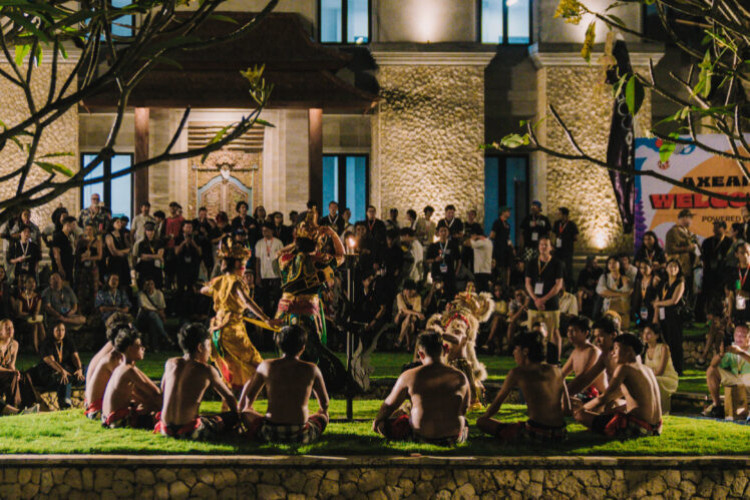
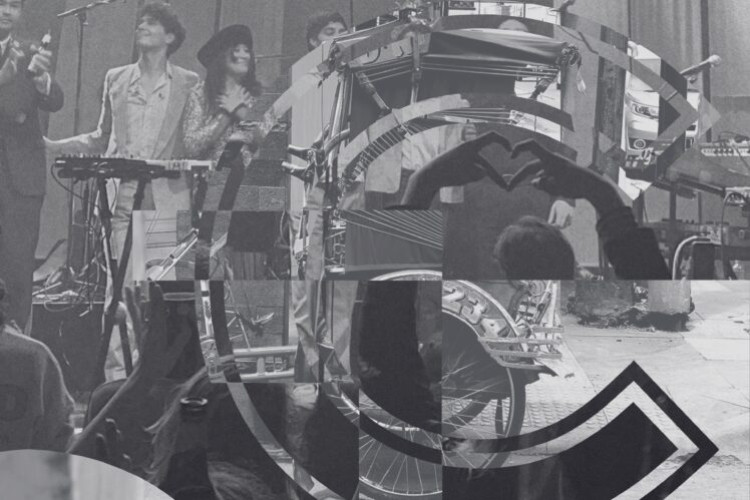
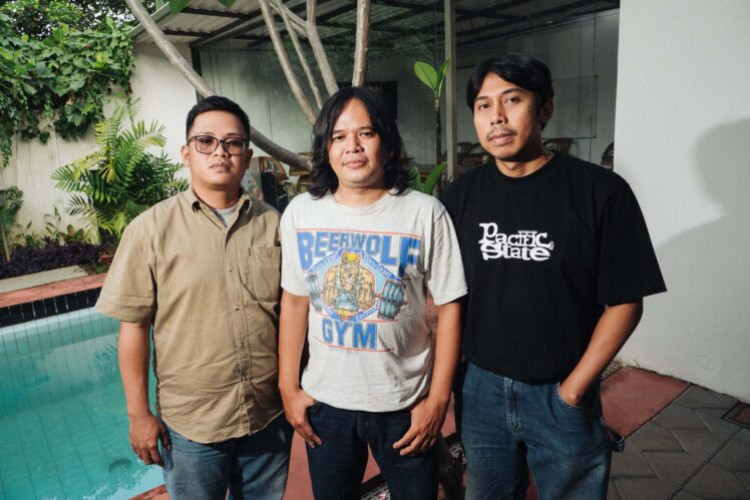
Berbicara tentang AXEAN Festival, kami mengundang beberapa alumninya, Batavia Collective dan The Panturas, untuk mengulik atmosfer di dalam festival musik tersebut yang seperti konsisten melambungkan nama-nama up-and-coming ke berbagai festival musik besar lainnya di mancanegara.
Film is surely no one-dimensional topic. There are so many aspects to it, but in order for us to be able to discuss it within two hours, we have to select only several parts of the field. In an attempt to spice things up a little bit, and perhaps look at film from another perspective, we are going to connect it with terms associated with food.
Preparing and Cooking
- In “The Persisting Vision: Reading the Language of Film,” Martin Scorcese highlights the three main elements, or “ingredients” in films: and.
- Light: “Light is at the beginning of cinema, of course. It’s fundamental – because cinema is created with light, and it’s still best seen projected in dark rooms, where it’s the only source of light.”
- Movement: As opposed to photographs (still images), film involves motion, but not only of the subjects within the film – there is also the movement of time.
- Time: The time setting (or settings in the film) and “real” time (of the audience). Film allows us to experience several time periods at a time.
- Additional “spices” (e.g. soundtracks, special effects)
- And then there is the question of how to mix the ingredients and cook it well. What are the standards? Who sets the standards – the chef or the diner?
- What is the significance of appetizers or complementary snacks – teasers and trailers?
Presentation, Consumption and Digestion
- To what extent can a film succeed without including all of the vital “ingredients? Perhaps it is possible to consider the analogy of a restaurant, with which one could also depend on the ambience/atmosphere – the “mood” – of the film rather than the plot.
- “As in the case of many great films, maybe all of them, we don’t keep going back for the plot. is a matter of mood as much as it’s a matter of storytelling,” wrote Scorcese. He suggests that while a good plot might make a great impression, it is the mood that has the power to make us want to see a particular film again. But do you think it is possible for the mood to be at the center of a film?
- In our interview with the Thai independent director, Apichatpong Weerasethakul, he states that for him, “Story is secondary to feelings, and when you try to explain so much you are losing the beauty and locality.” He also noted that it’s not possible to appeal to everyone in the “international audience” as it is so diverse. Like food, it is perhaps difficult to create a “universal taste” that ignores the existence of the long histories of cultures.
- Do you think that the “mood” of a film can cross national borders? Can it solve the problem language barriers (despite the use of subtitles) and culturally specific gestures? Or if the mood is not enough, how about the visual presentation of the film? Do you think that aesthetics (cinematography, set and costume design, etc.) can draw more people to a particular film?
- Please also keep in mind that there is also the choice of a light meal (in terms of content, or the "short film") and a heavy meal (again, in terms of content and "feature film").
The Director, The Actor, The Audience, The Critic
- “We were living through the emotional truths on the screen, often in coded form, which these films from the 1940s and 1950s sometimes expressed in small things: gestures, glances, reactions between the characters, light, shadow. These were things that we normally couldn’t discuss or wouldn’t discuss or even acknowledge in our lives,” wrote Scorcese. Do you think that a certain degree of “literacy” is necessary to pick up the subtitles of the cinematic language Scorcese suggests?
- Perhaps literacy is in an important tool for the audience. Appreciation can be emotional or based on instincts, but if one is able to pinpoint the exact reason as to why they appreciate something – that is, if they understand and are able to explain one’s reasons for liking a certain film – do you think that the impression will last longer?
- In your opinion, what are the most important elements in the relationship between the director, the actor, the audience, and the critic? What do you think can cause conflicts among them?
Tuesday, March 25, 2014
7—9 pm
Kinokuniya Plaza Senayan
Please look out for more #WeDiscuss updates on our Facebook page and Twitter account! If you’d like to share your opinions, or if you have friends who’d like to share theirs, sign up via e-mail with the subject title “We Discuss” at ! If you have comments or questions, tweet us @wjournal.
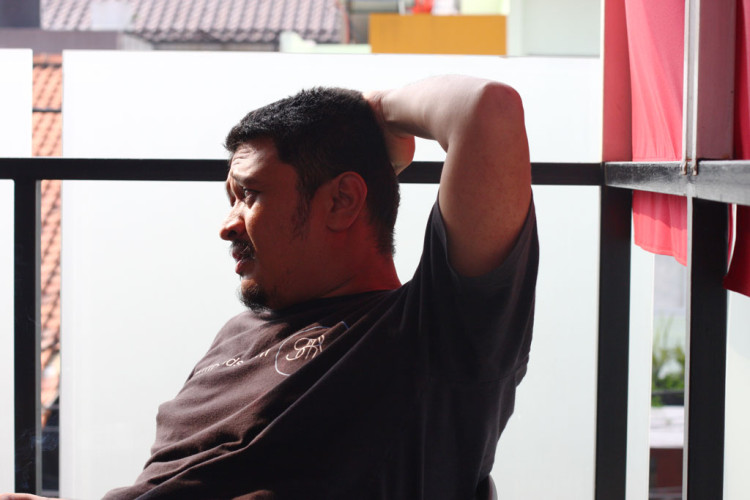
Most know Ade Paloh from the band Sore, which needs no introduction. From living overseas for many years to being in the midst of of Jakarta's legendary independent scene in the early 2000s, he has a lot of stories to tell. We sat down with Ade Paloh in his Jakarta flat to talk about music and film projects, as well as what inspires him creatively.
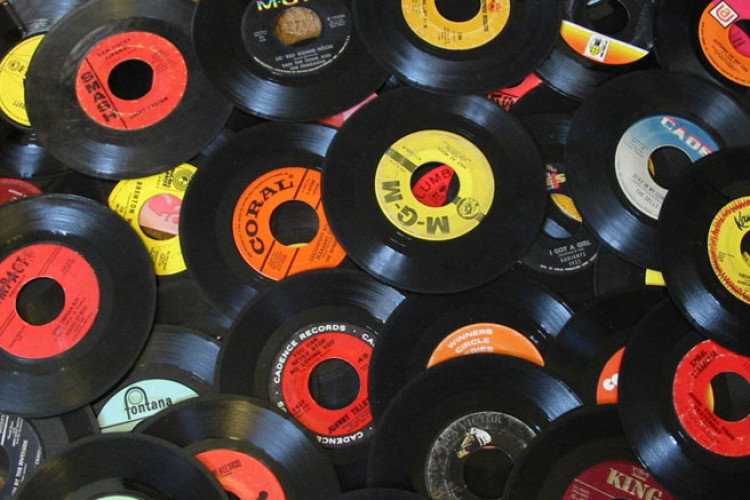
Music collecting is an addictive activity. There's a feeling of euphoria when you unexpectedly find a record whose music enjoy, and digging through dusty crates as well as meeting people in shops, markets, and homes is an experience valuable in itself.
Collecting is alive and well in Indonesia, with a large number of people noticeably taking interest in collecting records, cds and tapes. Wahyu "Acum" Nugroho, who you may recognize as the bassist of Bangku Taman, is an avid vinyl record collector who has started a project called Gila Vinyl. The project, which currently takes the form of a website, has Acum sharing his experiences looking for records, as well as tips for other collectors.
Most recently Acum wrote a post of his vinyl hunting in Bali - rummaging through a warehouse, shops, and visiting a collector's home. The stories in Gila Vinyl gives you an idea of what its like to look for records in Indonesia. The narrative personal and often humorous, making browsing the site an easy and enjoyable affair.
Looking forward to seeing what sort of adventures Mr. Nugroho will experience in his quest for vinyl records.
DJ Jet Baron is a music selector from Japan who fell in love with the manic sounds of Funky Kota, a music style that is deeply rooted in Indonesia's local discotheque scene.
Bringing the music of Funkot to Japan, DJ Jet Baron has taken part in creating a scene made up of individuals who share a passion for the music. Titled "Warp2One", this 45-minute plus mix gives us a taste of Japanese Funkot music. Brace yourself, this is a super-energetic mix!
Available in Uniqlo stores worldwide are these Uniqlo Tees (UT) featuring designs by our favorite children's wear: Cereal Nation! With art directions by Max Suriaganda of Studio 1212, the 3 Cereal Nation designs you see above (click the left or right button to scroll) are available in adult sizes as well as children.
If you live in the Jakarta area, you can find the tees and a whole lot more in Lotte Mall as well as Mal Taman Anggrek (which has the first Uniqlos in Indonesia). If you do not have a Uniqlo in your area, visit uniqlo.com to view their graphic tee collection including the Cereal Nation designs.
Jakarta's Old City, locally known as "Kota Tua" or simply "Kota," is considered to be the heart and soul of Indonesia's capital. But the inevitable passing of time, and new centers of recreation, business and residential areas have slowly washed away Kota's charm. The recent launch of a revitalization program will hopefully solve the problem.
Direktori: Di Makassar, Melihat Harapan dari Indonesia Timur
Di episode ketiga Direktori, kami berkunjung ke Makassar untuk belajar tentang bagaimana semangat literasi menghidupkan budaya kota juga tentang kebersamaan dalam keberagaman.
Di episode ketiga Direktori, kami berkunjung ke Makassar untuk belajar tentang bagaimana semangat literasi menghidupkan budaya kota juga tentang kebersamaan dalam keberagaman.
Di episode kedua mini seri Direktori, kami berkunjung ke Bali untuk mencari apa yang tersembunyi di balik deru pariwisata dan melihat bagaimana keberagaman hidup di sana.
Episode pertama untuk mini seri terbaru kami untuk campaign #Direktorikota, kami memulainya dengan pertanyaan besar, apakah semangat kebersamaan masih ada di keseharian kita?