

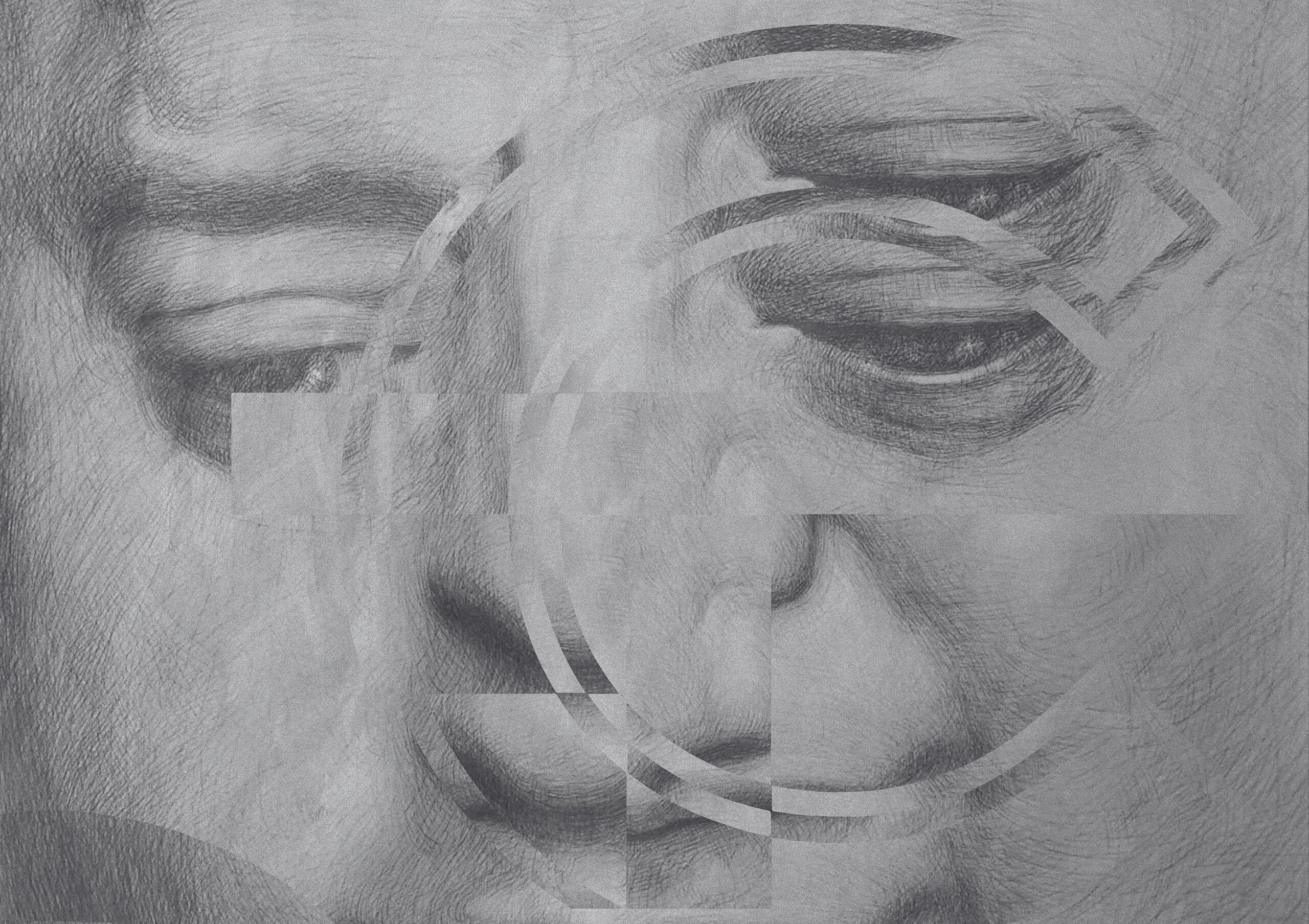


Who says the last child has it easy?
In this Open Column submission, Miriam Bahagijo writes down what the lonely trek of being the last-born is like, especially when the siblings have left the nest, and when the time comes for her to become the ageing parent’s caregiver.

Words by Whiteboard Journal
Growing up, I had been so grateful that I was neither the first nor the only child. I have an older brother I could turn to whenever life felt too heavy.
But now in my adult years, it felt like I had been an only child for a while, and it somehow rewires my brain.
Maybe the last child got spoiled early in life because later on we will bear the brunt of families that fall apart – physically, mentally, financially, emotionally, and oftentimes altogether
In my last year of being 20, I found myself stuck in a hospital room, accompanying my mother and signing administrative documents as someone who was ‘responsible’ for her. No one to take turns with, nobody to rely on but myself.
Growing up, you learned the hard way that parents will either pass away, get divorced, gotten sick, or a combination of either.
And by the time things started to go down, all other sibling(s) had moved out of the house and started a family of their own,
meaning your parents might no longer be their priority,
meaning they don’t carry the same emotional and mental burden as you,
meaning they can look away, while you are forced to face this reality in every waking hour of your life.
And of course, life would never be the same.
The last born usually becomes the last to leave the nest,
And if it weren’t for work or marriage, Indonesian parents would insist that we stay with them,
And in this economy, freeloading at our parents’ house is a great way to save money,
But at what cost?
First there was this shifting of feelings you used to harbor for your parents.
When I was little, I knew that I loved both my mom and dad, no questions asked.
But now loving them has become increasingly complex and difficult with every fight and disagreement
Every triggering moment,
Every argument,
Every bad memory that resurges,
And every trauma you learned to put a name into,
Suddenly you felt like the most miserable person in the world,
As if the universe conspired against you,
And made you wonder how other people could afford to escape and leave their parents behind,
And then you started to prefer spending time with friends over families,
Started to think of other ways you can leave,
Started to wonder how long you can bend before you break,
Then there’s also the realization that your parents are getting old,
And you learned of the complications that’s been ravaging their body,
And slowly accepting that that this was indeed the age when you started frequenting the hospital to accompany your parents,
And how you’re basically just one tragedy away from becoming your parent’s caregiver
When I told my friends about how I felt, it feels a bit relieving to find out that I’m not alone
To some extent, the experience of becoming the last child and daughter is universal
Being the last to leave the nest, and being the first to take care of everything at home
And even if we’re not a sandwich generation, people expect us to dedicate most of our salary to help around the house,
And got salty when we spent our own hard-earned money on things that actually made us happy,
As if we don’t have our own needs,
As if we’re not allowed to stay sane
For the last child, our steepest learning curve might just be when all the siblings have left. And here we are, still stuck in the same nest that could no longer shelter us from the world. 
The Urgency of Self-Forgiveness
What Is Not Understood

The Wall
