

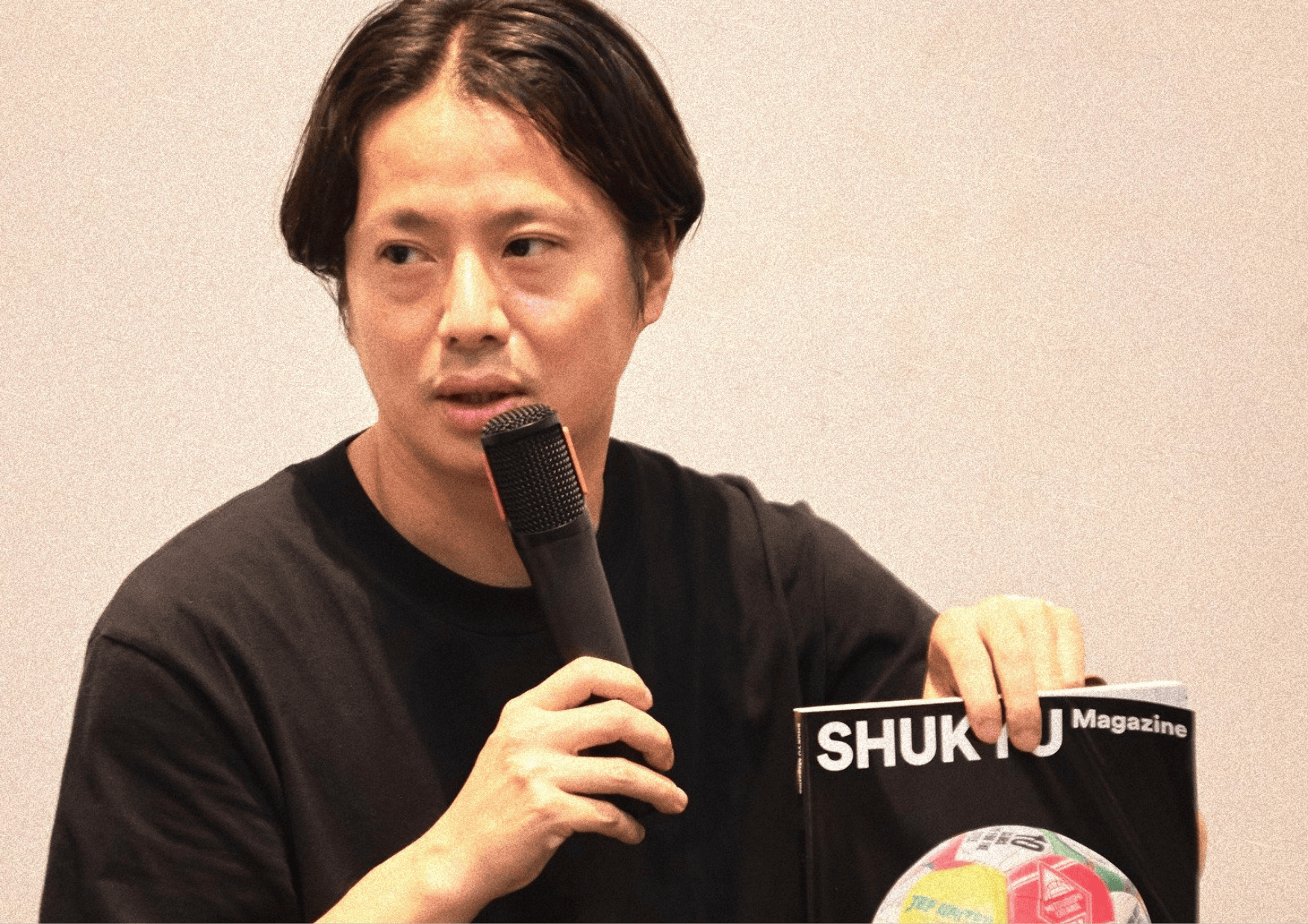


Takashi Ogami of SHUKYU: “I’d love to speak with Indonesian fans that are passionate, to talk about the beauty of football that also comes in ordinary moments.”
We had an interview with Takashi Ogami, the Editor/Producer/Founder of SHUKYU Magazine to lap around topics that shapes the football culture today, from Japan, Indonesia, and beyond.

Words by Whiteboard Journal
Words: Garrin Faturrahman
Image: Ladderice
Football might really be what makes the world go round. From it trickling down to fashion spawning blokecore, finding spot on top of the gaming ranks through video games, up to shaping what defines one’s childhood memories. Count how many football contents show up in your chain of doomscroll sessions – prompted or unprompted.
The ball travels far to Japan, a fertile land where the lifestyle blooms in a place of comfort for archivists, and not to mention its many reinterpretations. Which brings us to SHUKYU, the Japan-based football magazine, covering everything in and out of the green field.
We had an interview with Takashi Ogami, the Editor/Producer/Founder of SHUKYU Magazine to lap around topics that shapes the football culture today, from Japan, Indonesia, and beyond.
Talking about blokecore and wearing football jerseys as a fashionable item, how did that trend look in Japan? Was it that massive (like what we see here in Indonesia)?
As in Indonesia and many other countries around the world, “blokecore” has become widely established in Japan over the past few years. While there has long been a culture of wearing football shirts as supporter attire, more young people have started wearing jerseys as fashion items, and they are now being sold not only in football shops but also in vintage clothing stores.
This phenomenon, which emerged simultaneously across the world through social media, is extremely fascinating. At the same time, it is undeniable that jerseys have also been consumed as part of a temporary trend. The prices of vintage shirts have risen sharply, making it difficult for people who genuinely want them to afford them. However, things have started to settle down recently, and it feels like the culture is gradually returning to a more natural and sustainable state.
SHUKYU sits at an interesting intersection between football, culture, and lifestyle. How would you describe your core angle when talking about football — what makes your storytelling different from traditional sports media?
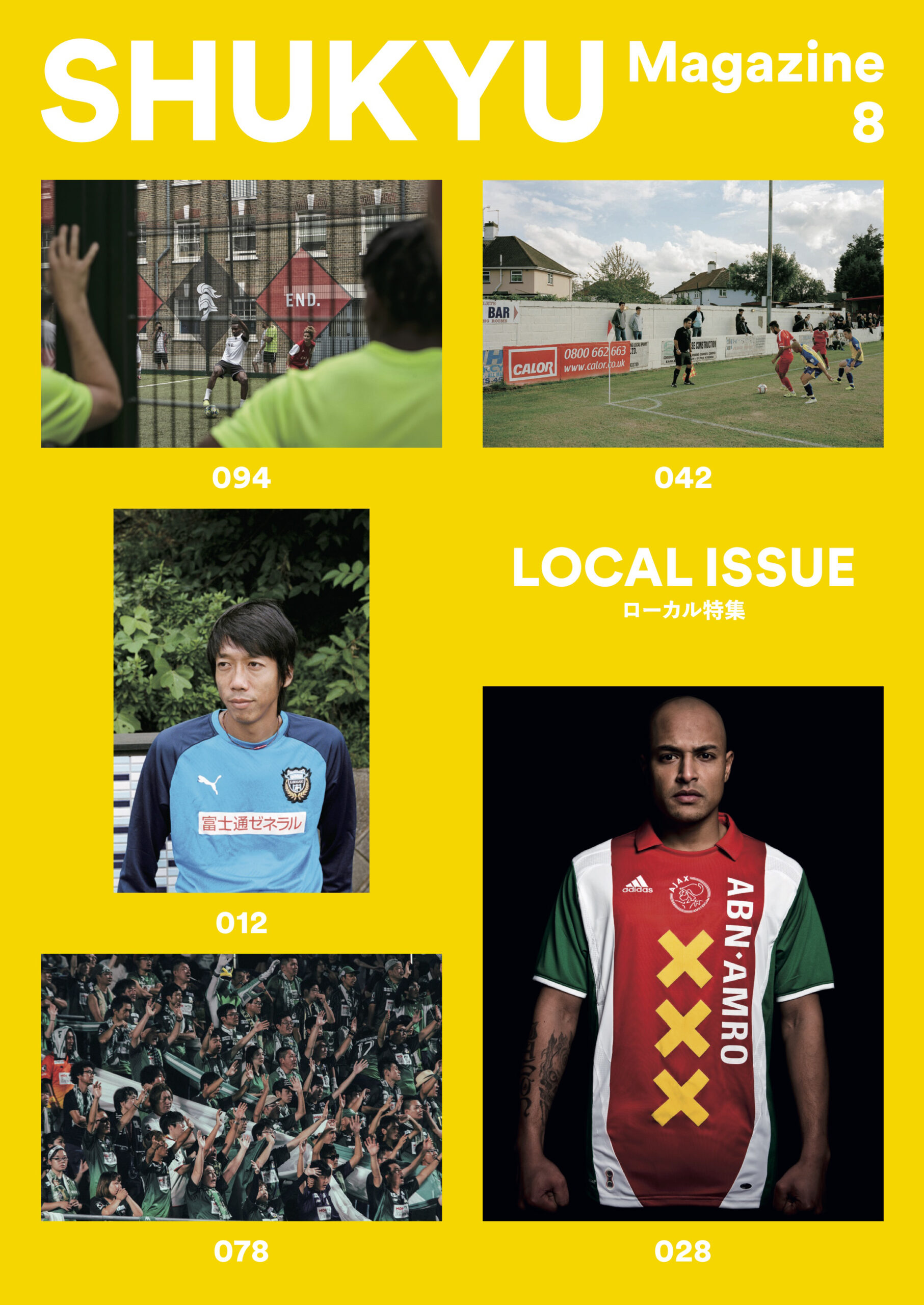
SHUKYU explores football through the dual lenses of its relationship with “culture” and “society,” examining the game from a wide range of perspectives both on and off the pitch. In that sense, it differs significantly from traditional sports media, which tend to focus primarily on match results, transfers, and other news-driven coverage.
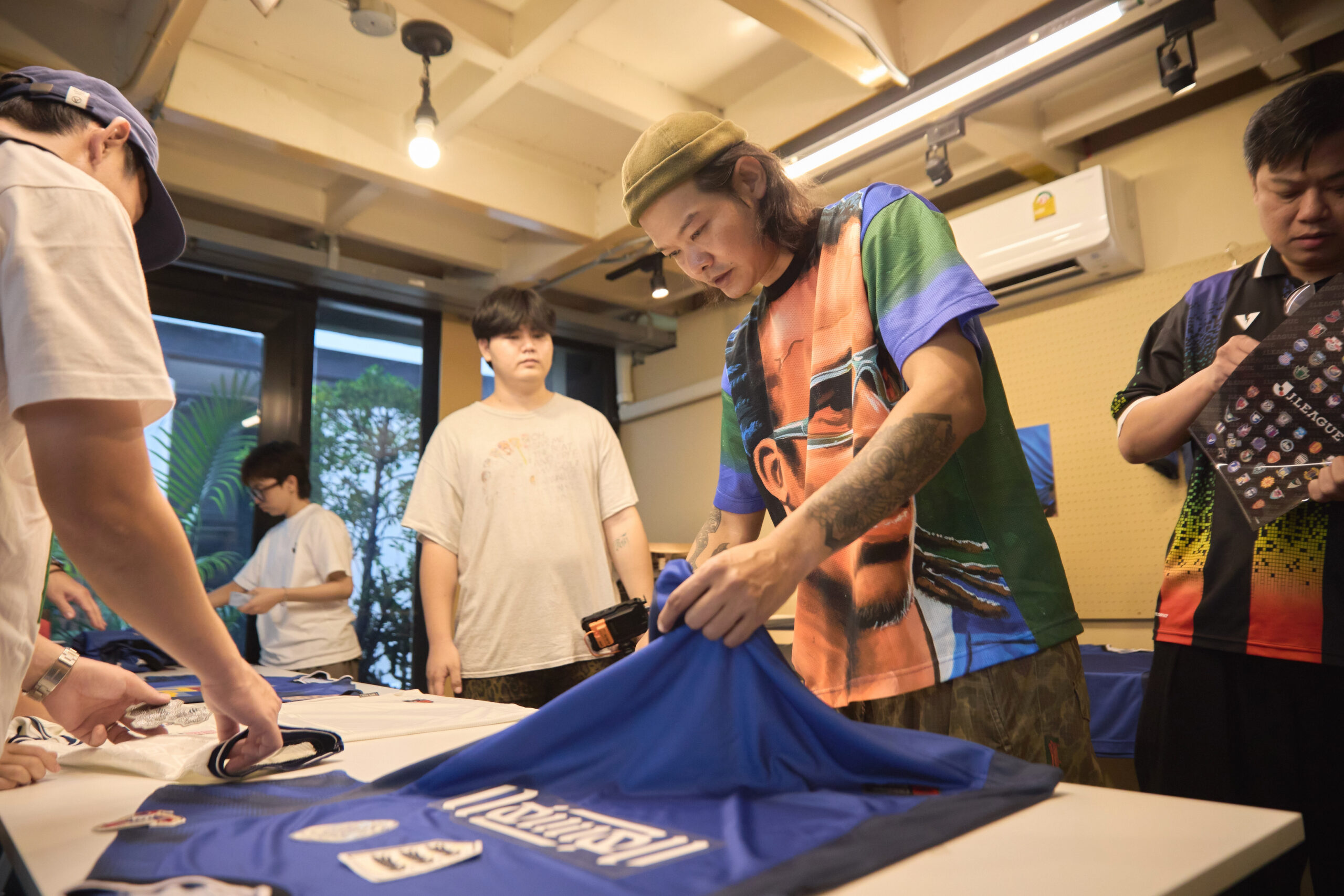
SHUKYU STORE in Bangkok. (Image via Ladderice)
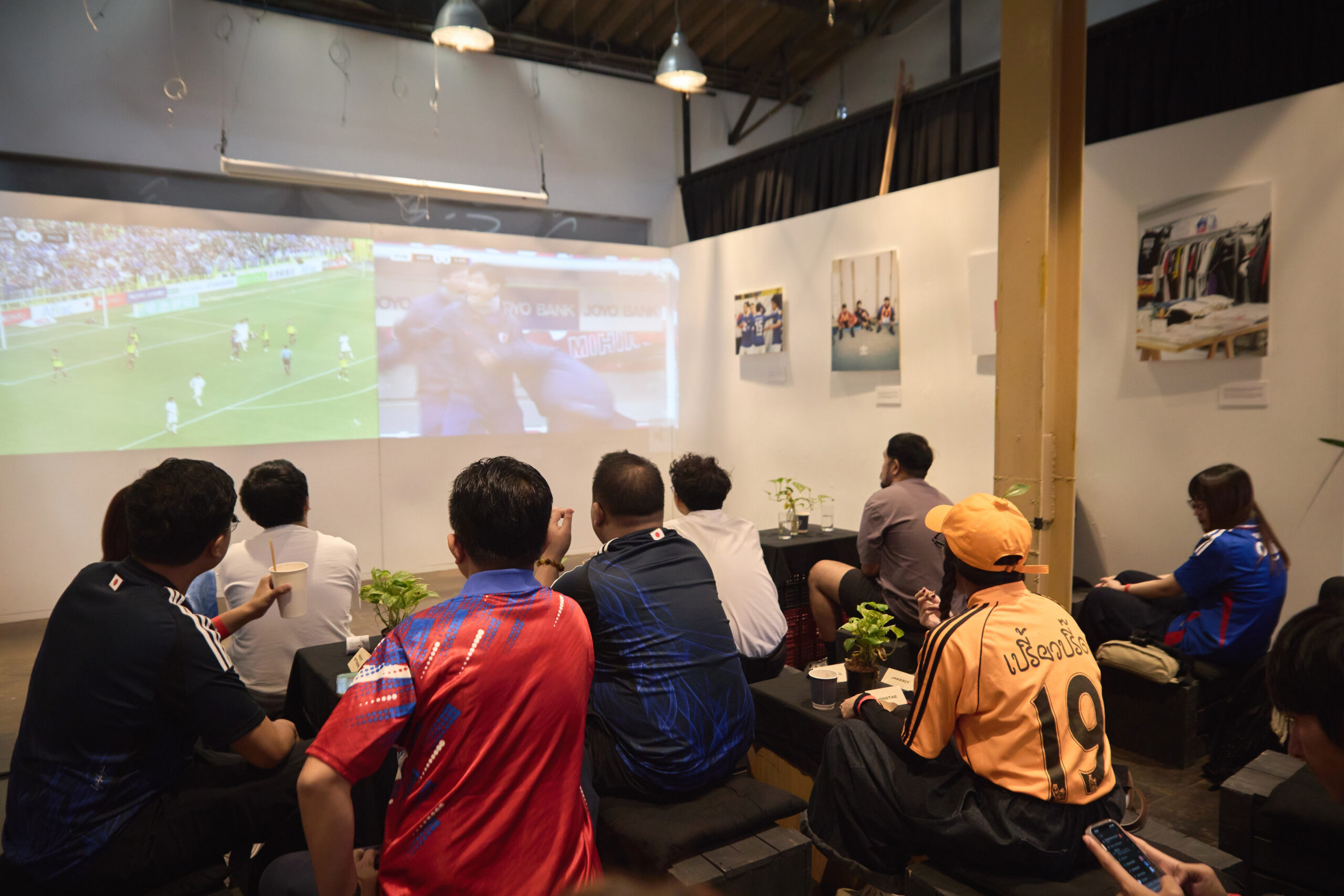
SHUKYU STORE in Bangkok. (Image via Ladderice)
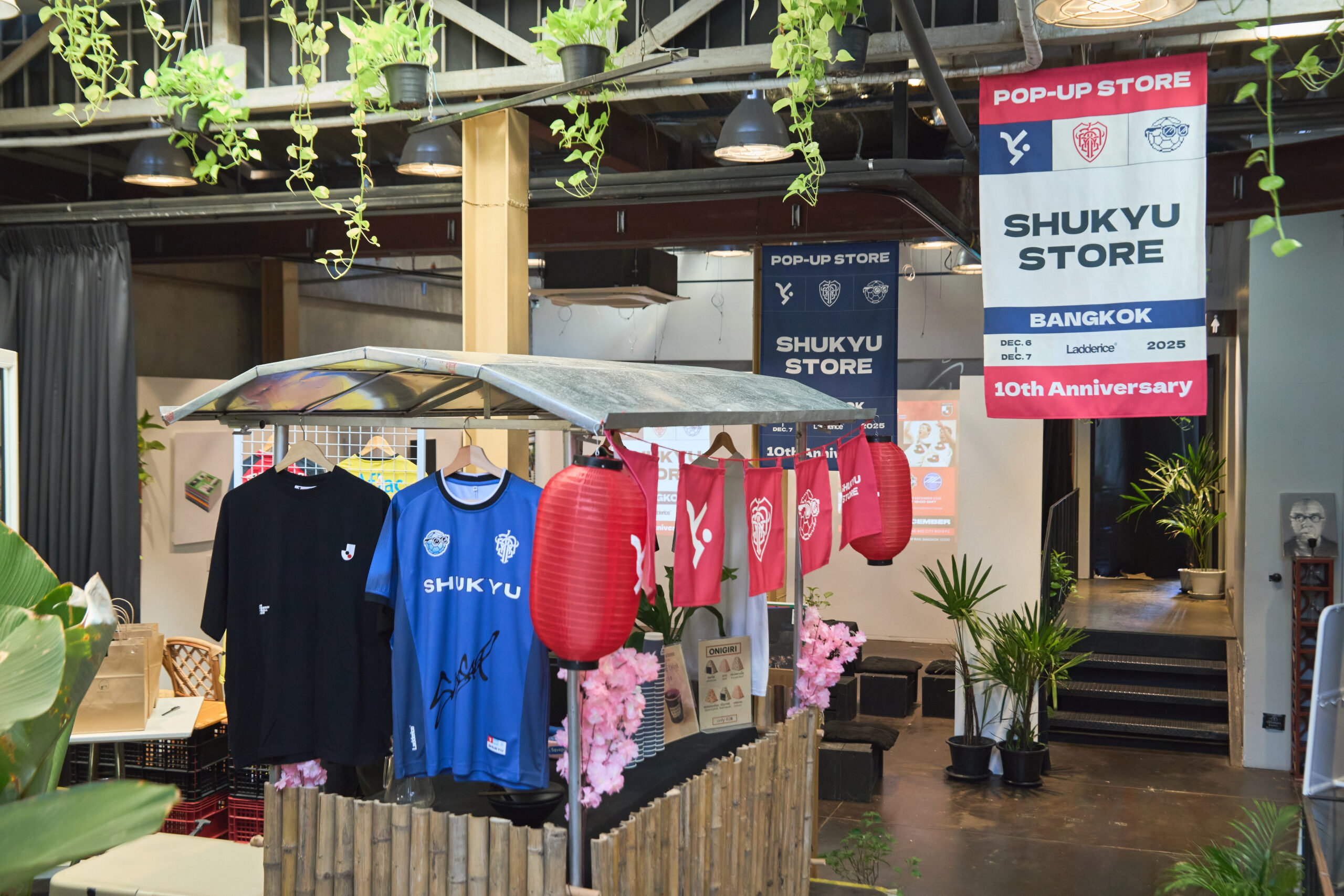
SHUKYU STORE in Bangkok. (Image via Ladderice)
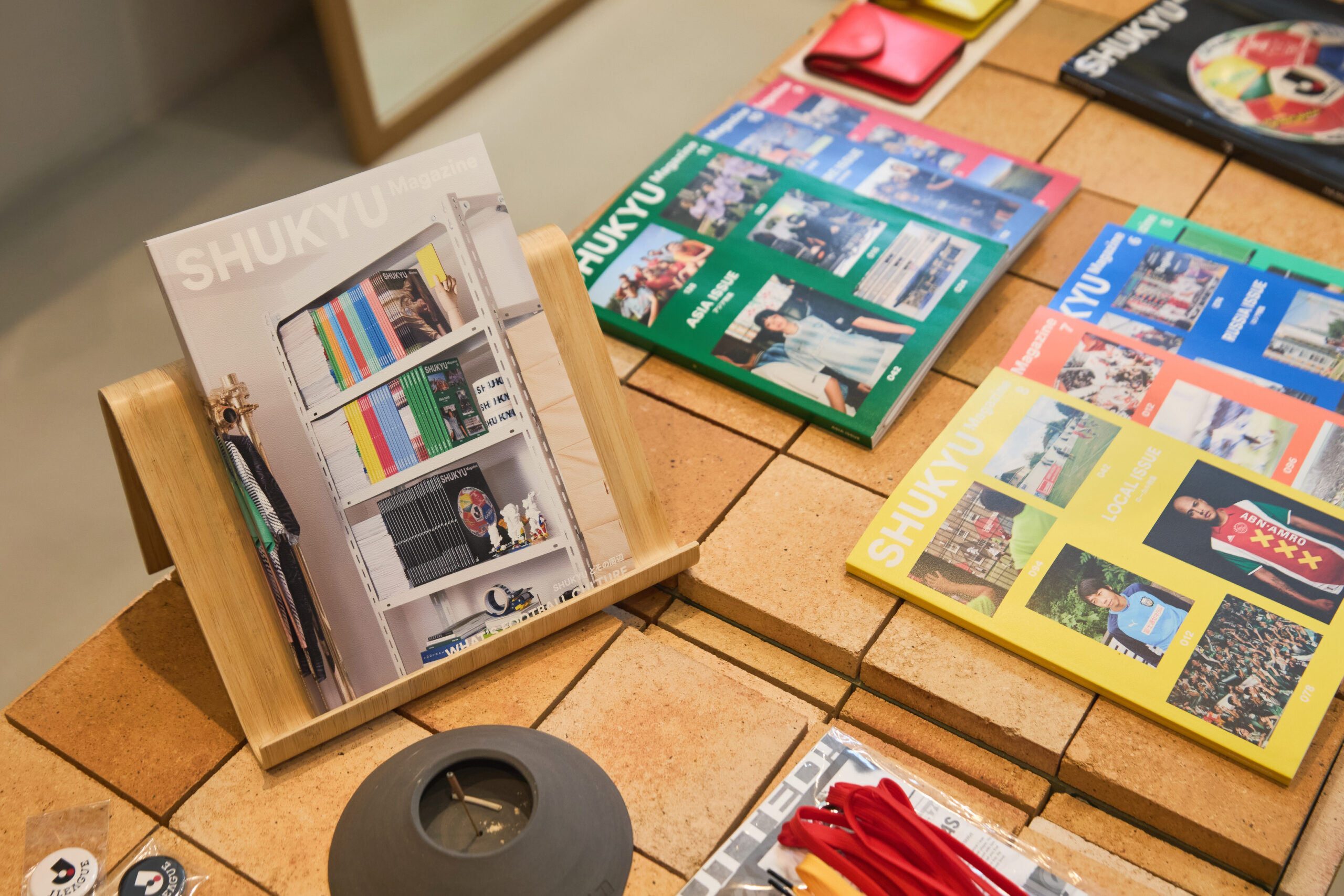
SHUKYU STORE in Bangkok. (Image via Ladderice)
Do you see SHUKYU more as a football magazine, or as a culture magazine that happens to use football as its lens?
I think the latter is closer. Of course, both football and culture are essential themes in explaining SHUKYU. At the same time, when I reflect on my own career, before starting SHUKYU I was planning and organizing events across various disciplines—music, art, fashion, and more—at an event space in Harajuku. Those experiences, combined with my love for football, became the foundation for creating SHUKYU.
How do you see the relationship between football and fashion evolving over the last decade? Is it organic, or increasingly engineered by brands?
Ten years ago, there were still very few opportunities to talk about the relationship between football and fashion. However, even back then, new types of magazines, brands, and communities like ours were beginning to emerge around the world. As those movements gradually brought football and fashion closer together, brands also started to recognize the potential, and that momentum expanded rapidly.

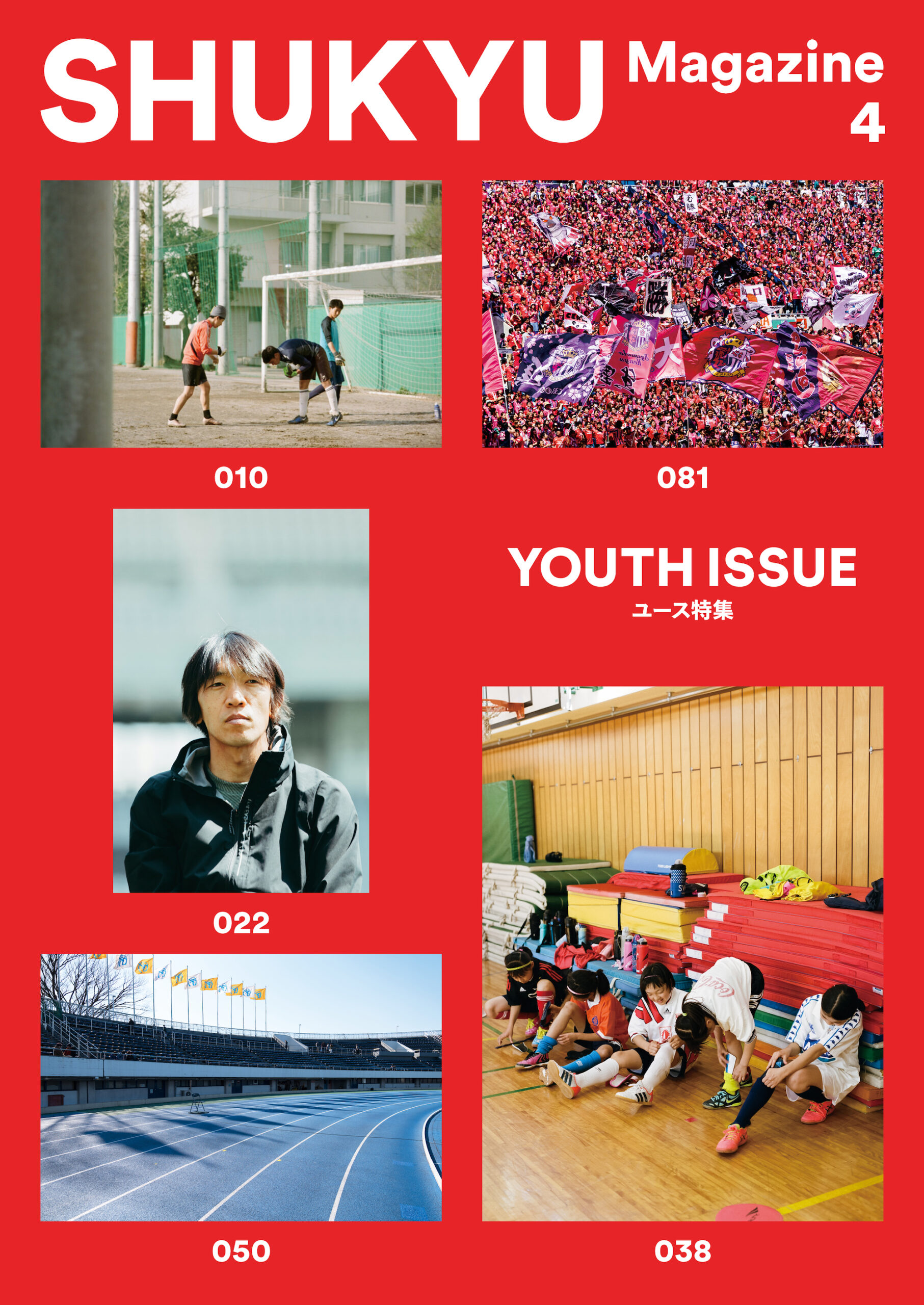
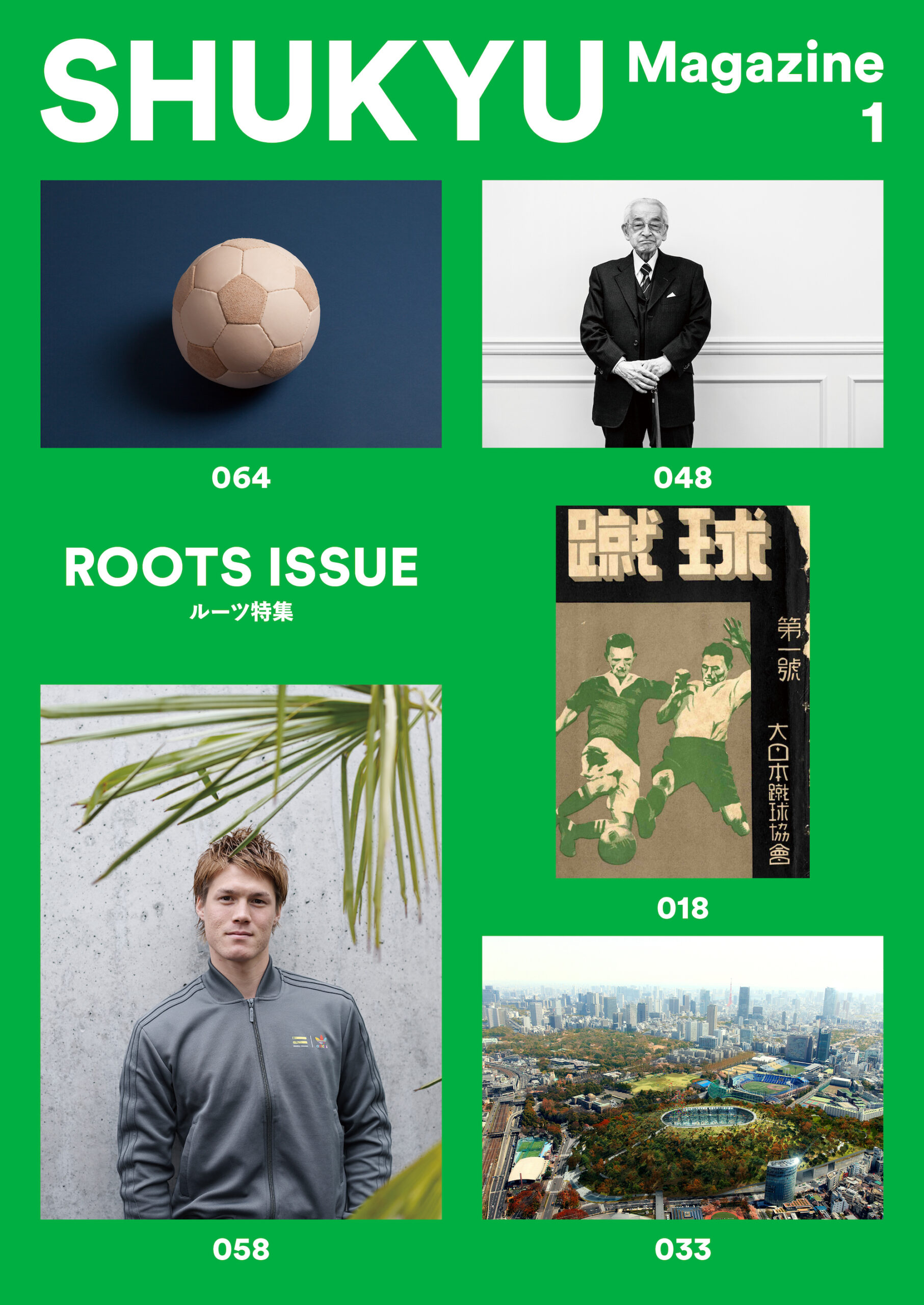
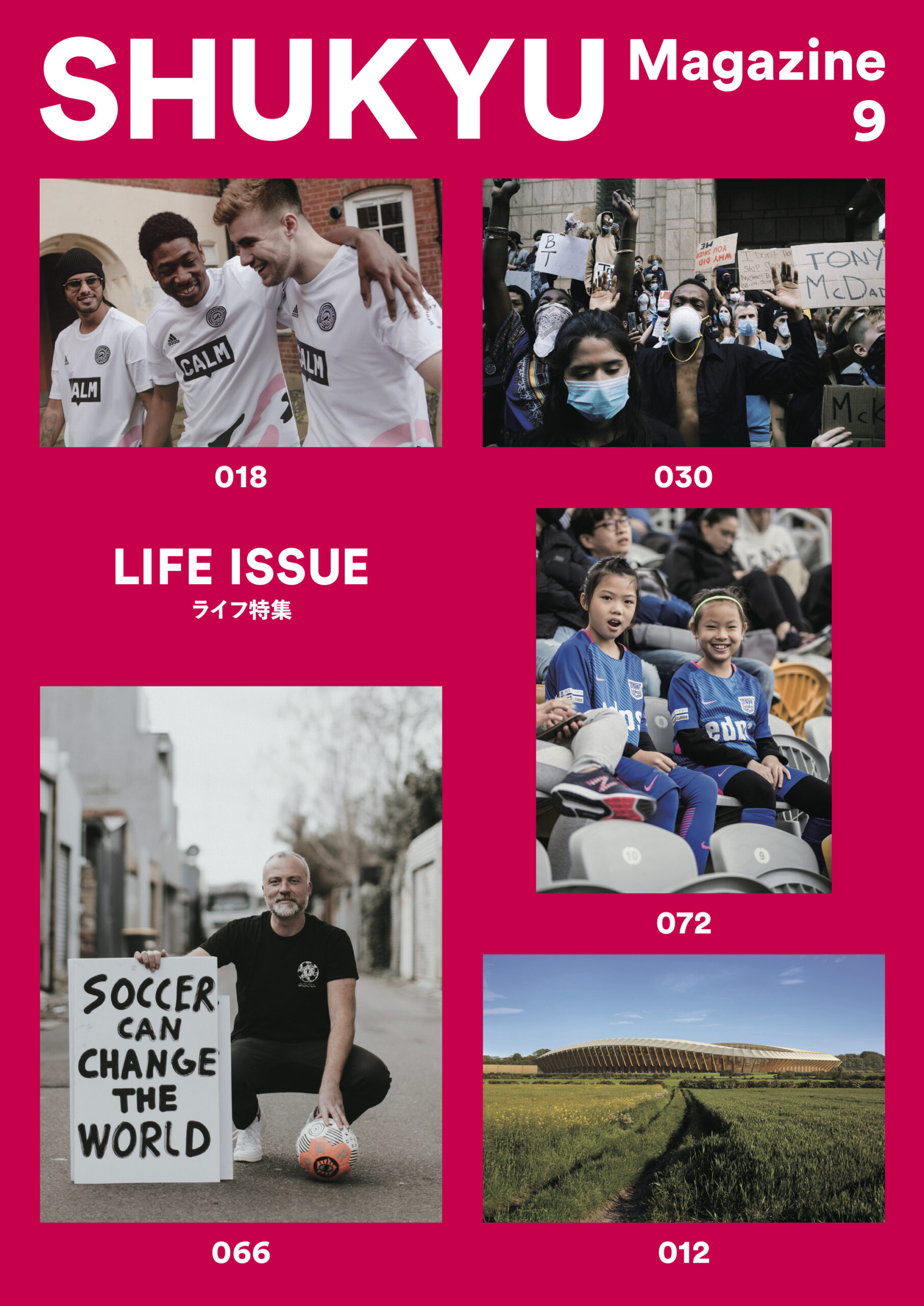
What makes football uniquely powerful compared to other sports when it comes to influencing style, identity, and youth culture?
Football is a sport deeply rooted all over the world. While fashion and art tend to be enjoyed mainly in urban environments, football is played and loved in all kinds of places, regardless of a country’s size or a city’s scale. Many of the themes SHUKYU explores are niche, but we’ve continued believing that there are people around the world thinking about similar things. Through football, we’ve been fortunate to connect with so many people along the way.
Are there specific subcultures or communities that you feel are currently redefining how football shows up in everyday life?
There are simply too many to name, so if you’re curious, please read our magazine, haha. If I had to highlight just one, it would be Chinatown Soccer Club, which was founded in New York in 2002. Among the football communities that share a similar mindset to ours, they are one of the oldest, and without their presence, SHUKYU might not even exist today.
Many people feel modern football is becoming more tactical, system-driven, and data-oriented — sometimes at the cost of spontaneity and “art.” How do you personally see this shift?
Just as in our daily lives, it’s only natural that football evolves alongside technological advancement. Of course, people may have their preferences for or against it, but in the same way that we can no longer live without smartphones or social media, it’s difficult to resist the data-driven direction of modern football. In that context, it’s a fascinating question how absolute stars like Messi or Ronaldo—players who can decide matches through their own individual brilliance—will continue to emerge.
When you look at emerging football cultures across Asia, what excites you most right now?
Over the past few years, we’ve had many more opportunities to collaborate with football communities across Asia, and some of those projects are still ongoing. Working together with them is incredibly inspiring, and learning about each other’s cultures through the shared language of football is very important to what we do. We see a lot of potential in these connections, and we hope to continue nurturing this momentum and contribute to the growth of football culture across Asia together.
Do you see parallels between Indonesian football culture and any other countries or regions you’ve explored?
I feel that Indonesia has a very unique football culture. The passion for football there is incredible, and I was truly surprised the first time I watched a match in a stadium. Many people from Indonesia also visit our store ‘4BFC’ in Tokyo, and they all share a deep love for the game—it’s always a pleasure talking with them.
Compared to Japan, Indonesia has a much younger population overall, so I feel this energy and momentum will only continue to grow in the years to come.
The majority of people born in the ‘80–90s are immensely familiar with Winning Eleven, way before they were renamed as Pro Evolution Soccer. Was the reception in Japan as massive and positive as it is in Indonesia?
Winning Eleven is a very important part of Japan’s football culture. I personally used to play it a lot with my friends when I was a kid. I played it so much that my parents often got mad at me! Through this game, I learned many things about football.
Captain Tsubasa (キャプテン翼), both in its anime and manga formats, took the same generation by storm. How about in Japan?
Captain Tsubasa is like a textbook of football for Japanese kids. I often tried to imitate the plays from the anime. When the manga was first created, the J.League hadn’t even started yet, and football wasn’t as popular in Japan as it is today. In that context, the impact Captain Tsubasa had on Japanese football is immeasurable.
In recent years, the number of football manga has increased, and they continue to have a huge influence on young people. Personally, I’d recommend Blue Lock.
If SHUKYU were to tell a story about Indonesia, what aspect would interest you most: the fans, the aesthetics, the grassroots scenes, or something else?
I’m interested in how football fans around the world engage with the game in their everyday lives. I have the impression that football fans in Indonesia are incredibly passionate, but I’d love to speak not only with well-known supporters, but also with ordinary fans and hear their stories.
What kinds of football stories feel underrepresented today?
I think many of the most underrepresented football stories today exist outside the top leagues and global spotlight. Modern football media tends to focus heavily on elite players, major clubs, and transfer narratives, but football has always been much bigger than that.
Grassroots football is one of the most important yet overlooked areas. Small community teams, amateur leagues, and informal games played in parks or streets are where football lives most authentically. These spaces are often where culture, identity, and creativity are expressed most freely.
I also think stories about everyday people and their relationship with football deserve more attention. Not just professional players, but collectors, supporters, designers, photographers, and people who build communities around the game. Football shapes people’s lives in subtle ways that are rarely documented.
Another underrepresented area is regional football cultures outside Europe and South America. Asia, Africa, and Southeast Asia in particular have incredibly rich and unique football cultures, but their stories are often told from an outside perspective rather than from within.
Finally, I think slower, quieter stories are missing. Football is often presented as spectacle and success, but there is beauty in ordinary moments — local matches, personal rituals, and the emotional connection people carry with the game throughout their lives.
For us, these human and cultural dimensions are just as important as what happens on the pitch.

Arsitektur Sebagai Bagian Dari Peradaban Bangsa Bersama Ahmad Djuhara

Gabber Modus Operandi: “Ketika tradisi dan teknologi ketemu, ini titik yang paling manis.”
Jangan Salahkan Tuhan yang Hilang Saat Kita Semakin Lalim
