10.08.19
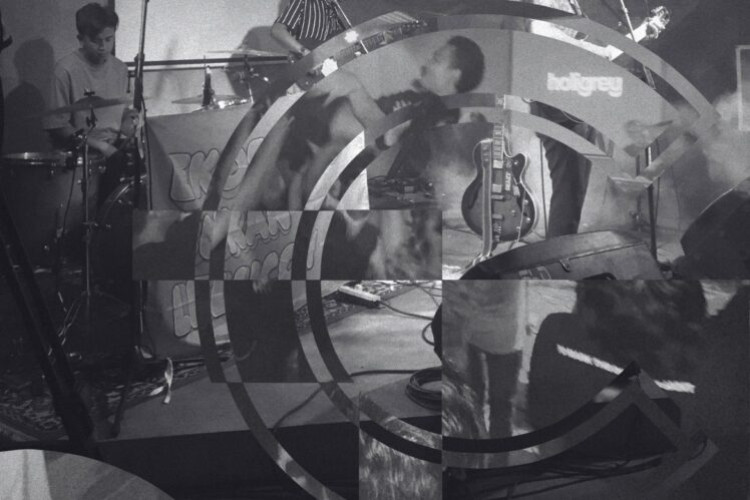
Backstage Life Bareng Grrrl Gang di Episode Kelima Vindy Ngapain?
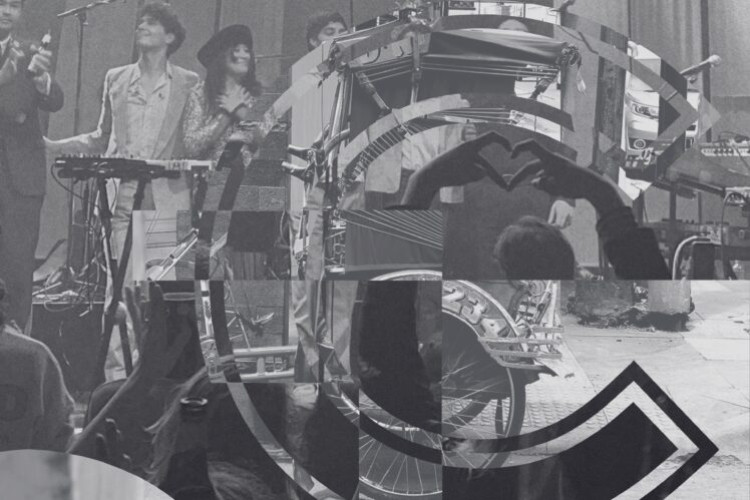
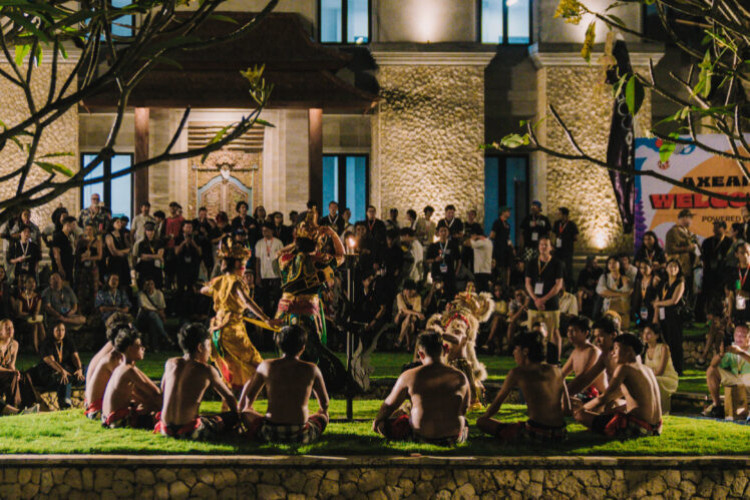
Tahun ini Grrrl Gang mendapatkan kesempatan untuk menjadi salah satu line up di We The Fest 2019, dan Vindy diperbolehkan untuk mengikuti aktivitas mereka.

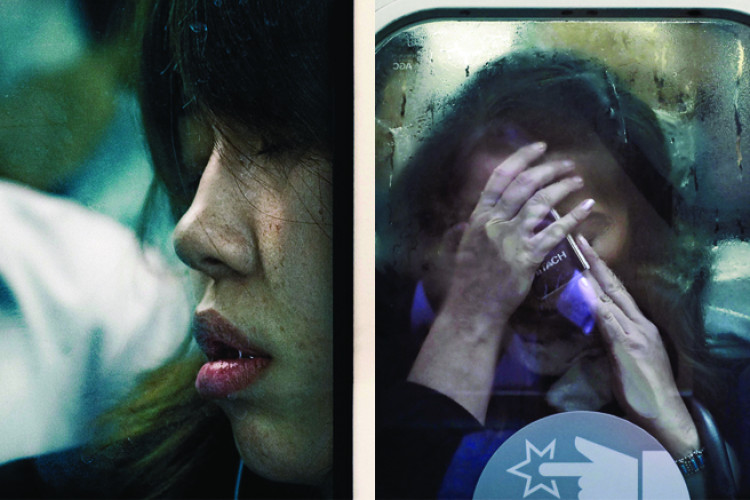


Photographer spent 30 days in a Tokyo train station to capture the few faces of the 8 million commuters moving in and out of the trains between 7.45 and 8.45 AM every morning. Entitled Tokyo Compression," each photograph was taken at one of the Odakyu Line stations in Tokyo, where every 80 seconds a new trains stops and commuters are pushed againts the window. Spending 30 days 2 inches away from the train windows, Wolf didn’t make the commuters feel any more cheerful. In fact, nobody was pleased with his presence since he made them aware of the horrible situation they are in and they were ashamed of it. It is the downside of mega metropolitan cities. It's a horrible situation in which commuters are breathing other people’s sweat and perfume, being squashed against the next person, and the worst part is: it is all man made. The book presented by Wolf contains portraits of Japanese people inside the crowded train who has been pressed againts a window. The expressions given by the commuters were characterized as tramatised and woeful. Wolf adds that some people shut their eyes or hid their face with their hands when realized their picture was being taken by Wolf, but the truth was they couldn’t move, shift or even get off the train. It was as if they thought that by closing their eyes, Wolf will go away. When published in 2010, Martin Parr, a fellow photographer, selected Tokyo Compression as one of the 30 most influential photobooks published between 2001 and 2010.
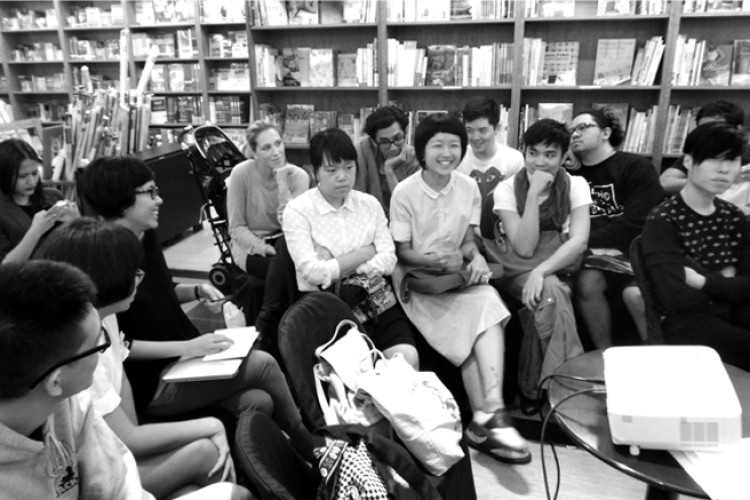
On October 22, Whiteboard Journal hosted our fourth meeting at Kinokuniya Plaza Senayan. Despite the traffic, a solid group of participants came and shared their opinions on art. While “art” is an extremely broad word is by no means an easy subject to talk about, the fact that its elements can be found in just about any discipline, it is something that many can relate to. - There are two ways to define of art: 1.) the institutional definition (as validated by museums, galleries, and individuals who are recognized as experts in the field), and 2.) the personal definition (what is relatable to each person). - Works of art are often seen as statements (i.e. objects that communicate a particular message). - Context is extremely important in creating, understanding, and appreciating art. It is what makes something significant and meaningful within a certain era or society. - The problem in Indonesia is that there is a tendency to create without putting too much attention to the local context. - The creative process – that is, the process of making a piece of art – requires more than the artist’s skills, as it also entails the need to nurture a particular sensitivity to one’s surroundings. - At this point, honesty is more important than originality. Artists ought to be open about what inspires them and influences their work. - According to the personal definition of art, it comes down to being honest to oneself instead of pleasing others (although with whom one intends to share the artwork with is also an important factor). - Art is a person’s attempt to turn his or her feelings into something tangible. - The purpose of an artwork changes the process. - Representative vs. non-representative art - In some cases, it might be a good idea to avoid overanalyzing art since not all works of art contain a hidden meaning. - Art does not always have to be aesthetically pleasing. It is more about how it affects people emotionally. - In the end, “Art is not supposed to make you think, it’s supposed to make you feel.” We would like to thank those who came and contributed to the fourth We Discuss meeting. We hope to see you again in future discussions. Look out for announcements about next month’s discussion on on our website, Facebook page, as well as our Twitter and Instagram account!
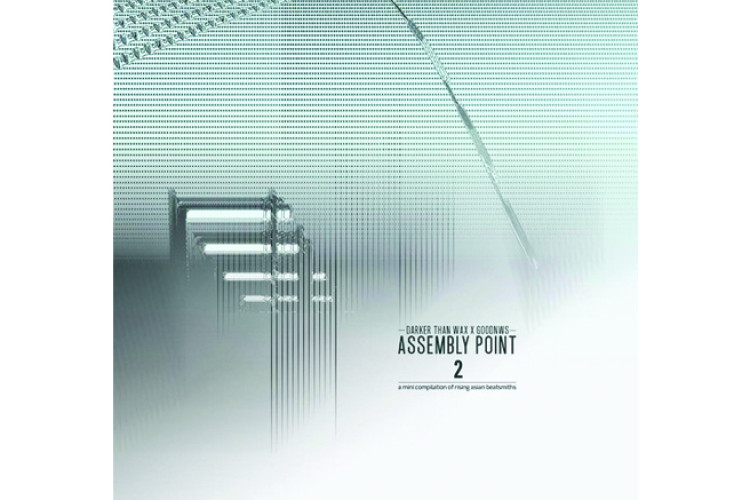
After the teasing first Assembly Point, this second edition cements the fact that Asia is brimming with musical creativity as a whole. Collective collaboration between GOODNWS, a music media based in Jakarta, Indonesia and from Singapore Darker Than Wax. From Tokyo to the deepest side of Taiwan, we unearth a new generation of artists who inject into their music, a diverse range of influences. So, in conjunction with our extended family label GOODNWS based in Jakarta, we are back once again presenting you the sonic frequencies in all things Boom-bap, House, Garage, forward funk nuggets and hypnotic loops. Starting with Japan, the likes of Japan's Sauce 81, Linn Mori and Rigly Chang have been enlisted for the cause. Nobu Suzuki is a highly respected figure in the electronic music scene, and is truly a sound musician in so many levels. Linn and Rigly Chang are part of the younger generation of Japanese beatmakers who are really starting to develop their own forms. Travelling across to Hong Kong, we have wonderboy J-Hoon who is a multi-talented cat that freestyles, sings and dabbles in the world of Boom Bap and Electro. J-Hoon has also opened up for acts like Daz-I-Kue, Rhettmatic, Eric Lau, Dj Krush and Afrika Bambata, so you know he means business. Get on their Soundcloud account to listen and download to the whole compilation!
For these past two decades, Wes Anderson has been one of the most prominent movie director. As we can see in all of his movies such as “The Royal Tenenbaums” (2001), “The Life Aquatic with Steve Zissou” (2004), “The Darjeeling Limited” (2007, and the most recent “Moonrise Kingdom” (2012), he has this signature, distinctive style which is put into every one of his movies. Anderson’s exquisite style apparently attracted RogerEbert.com’s Editor-in-Chief, Matt Zoller Seitz to investigate Anderson’s work. Seitz recently released his book titled that sums up all of Anderson’s movies from the first to the latest one. This book contains an in-depth overview of Anderson’s works, so that it guides the readers through Anderson’s life and career supported by previously unpublished photographs and artworks. Seitz also created a video essay series based on the book that we can watch online through RogerEbert.com’s Vimeo channel. Seitz scripted and narrated the videos by himself. These video are divided in seven chapters, in accordance with Anderson’s movie titles. In these videos, Seitz takes the watchers to take a closer look into Anderson’s creations. They are insightful as they give a broader horizon about the films and Anderson as the creator of the films. To date, there are five parts of this video essay series including Bottle Rocket, Rushmore, The Royal Tenenbaums, The Life Aquatic with Steve Zissou, and The Darjeeling Limited. The other chapters are coming as the series will be completed with a double feature of Fantastic Mr. Fox and Moonrise Kingdom which are going to be posted Friday, October 25. So make sure you keep checking back the channel because this video essay series is too good to be missed. To watch the rest of the series, visit RogerEbert.com’s Vimeo page.
In their latest edition of , presents a profile talk about Alfonso Cuaron’s latest surround sound masterpiece, . The video includes the director himself and the re-recording mixer Skip Lievsay explaining about the meticulous and masterful sound in the thrilling realistic space disaster movie. Covering lots of ground like the Dolby Atmos sound system and recording on set. Cuarón designed the film to be played in a surround sound setting. The best way to experience the movie would probably be in IMAX 3D, where you can hear the sounds coming off from different sides. It is mentioned in the interview that most of the sounds came in as “transducer recordings,” based on vibrations. All of this connects back to the visceral cinematic experience Cuarón was aiming for in the first place, to create a dramatic sound space to a dark and vast outer space environment. Gravity could probably end up winning a few technical Academy Awards, including and especially the sound categories. Usually a movie with these kinds of techniques applied to it are for the people from the industry to enjoy, but not to worry, this movie will put all kinds of audiences on the edge of their seats. This is a movie that reminds us why watching a film in the theater is the best way to enjoy the film.

Halloween is right around the corner, and what goes really well with this spooktacular holiday? Pumpkins, candy corn, and a spooktacular Movie Mystery Club night, of course! Our film-screening event is back, and if you guessed that we will screen a horror-rific film, then you are absolutely correct! And what ghoulish title will we project on our wall? Well, stop by W_Space Kemang next Wednesday the 30th at 7:30 and find out! Bring a friend and get ready to be scared by our mysterious Movie Mystery Club Selection! See you there! Whiteboard Journal Presents: Wednesday Oct 30, 2013 7: 30 PM Graha Toorak Jl. Kemang Timur Raya No. 998 Jakarta Selatan Indonesia 12730 p. 021 719 73 19 Free Admission & Popcorn! As you may know from our segments we at Whiteboard Journal love films – they can be source of great aesthetic, inspiration, and of course entertainment. To celebrate our love for the moving image we would like to invite you to join us at W_Space Kemang’s film screening event: Because you won’t know what movie we are showing until you are at the venue! Yup, that’s right, the movie is a secret. Do not be afraid, though. We have handpicked a selection of. One day it might be a hilarious comedy, the next might be a nail biting action adventure – what ever the film might be, we are sure that you will enjoy it. And what is a movie experience without delicious, buttery popcorn? An incomplete one (unless you don’t like popcorn), and with that in mind we will provide for the screening. Be sure to come with your friends early because supply is limited. So be sure to attend our second . Film starts at , don’t be late, bring your friends and pillows for extra comfort!

Tahun ini Grrrl Gang mendapatkan kesempatan untuk menjadi salah satu line up di We The Fest 2019, dan Vindy diperbolehkan untuk mengikuti aktivitas mereka.
Temukan siapa dirimu dan bagaimana karaktermu menentukan arah masa depan.