10.08.19
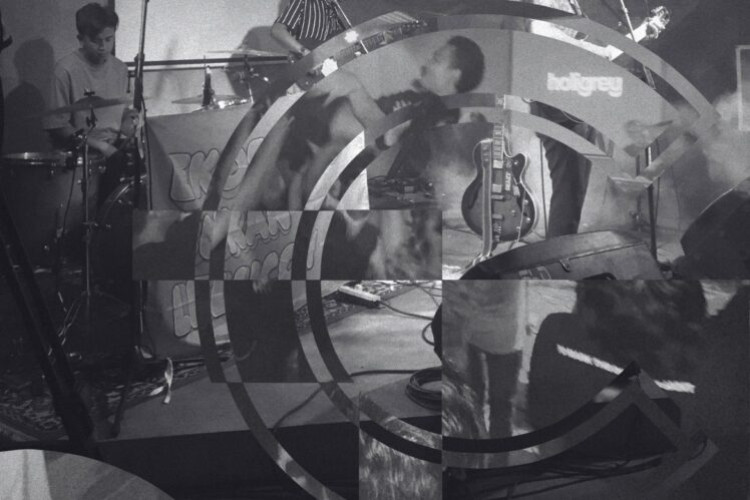
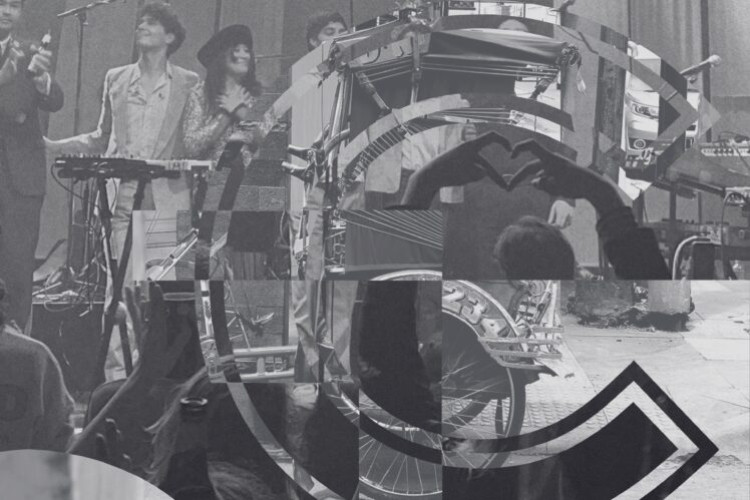
Backstage Life Bareng Grrrl Gang di Episode Kelima Vindy Ngapain?
Tahun ini Grrrl Gang mendapatkan kesempatan untuk menjadi salah satu line up di We The Fest 2019, dan Vindy diperbolehkan untuk mengikuti aktivitas mereka.

Listening to Hightime Rebellion is allowing yourself to be trapped in music that will most likely make you want to sing along to. Pumped up and filled with great vocal and instruments harmony, Hightime Rebellion is featured in the 74th The Wknd Sessions! Hightime Rebellion is a Jakarta-based band consisting of Miyane Soemitro (vocalist), Rendy Surndrapati (guitaris and vocalist) Reza Arafat(drummer), Pulung Wahyudi(guitarist) and Jason Sutrisno (bassist), they have admitted that they have varied music influences between each other. However, it's definitely not something that got in their way; they are, in fact, united them in making music. Sail, for example, is one of their song made out of their different influences. They also mentioned that they are now creating a new house music project. Definitely looking forward to it! For now, check their three performances and interview here.
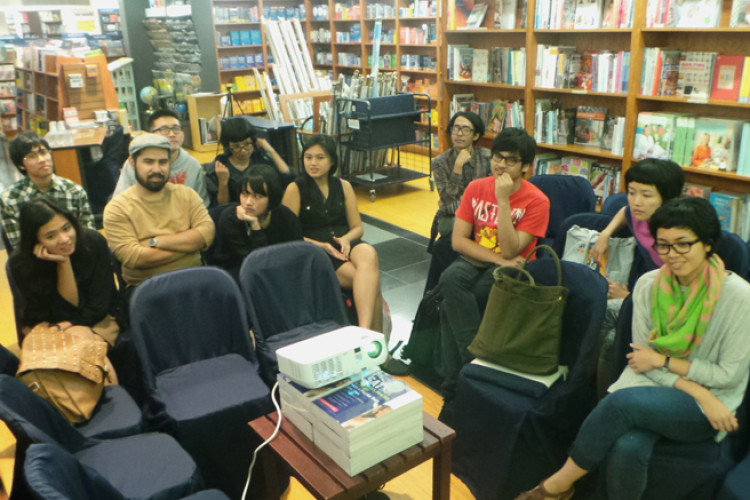


2014 is only two weeks away, but that doesn’t mean there’s no time for a We Discuss session! On December 17, Whiteboard Journal, along with enthusiastic participants, talked about food. And some of the ideas that were exchanged during the discussion were indeed food for thought. - Despite the invention of liquids that can give the human body the nutrients it needs, we still crave for food that we can bite and chew. It seems that texture, in addition to taste and nutritional value, is important. - Processed vs. natural food - We associate what we eat with certain shapes and smells. - “Organic” and other keywords that are related to health are marketing tools that directly or indirectly affect the way we consume food. - Although advertisements and the media in general can affect the public in negative ways (increased junk food consumption, etc.), they can also raise public awareness about healthy food. - When scanning the ingredient labels of foods available at supermarkets, it’s crucial to know what one does not want in one’s food. In other words, educating one’s self about basic ingredients that ought to be avoided is each individual’s responsibility. - Healthy foodstuff is normally more expensive than the standard, and most likely less healthy, option – meaning that it is only affordable to a limited group of people. Is it possible to produce food that contains nutritious elements at a lower price? - Different cultures have different tolerance towards “expiry dates” – which can also be seen as a marketing tool. - Cooking, like eating, is a social activity. - The utensils we use to eat reflect our connection to food. For instance, using one’s hands to eat represents the intimacy that one has with one’s meal while using chopsticks or spoons sets a distance between the diner and the food. - The foodie phenomenon on Instagram and other social media enhances the aesthetic appreciation that we have towards food. - The sort of “food appreciation” that was mentioned in the previous point and “food criticism” normally take place at higher social classes – that is, people whose relationship with food already go beyond reasons for survival. - Culturally speaking, different societies have different ways of appreciation food (e.g. the Japanese habit of slurping noodles) Your feedback would be greatly appreciated, so please feel free to tweet us @wjournal or send us an e-mail to with the subject title “We Discuss #6.” We would like to thank those who came and contributed to last We Discuss meeting of 2013. We hope to see you again next year! Look out for announcements and other updates regarding the next discussion on our website’s blog and events section. Or check out our Facebook page, as well as our Twitter and Instagram accounts!
This Friday brings you three fresh shows from the bowels of ’s lair.
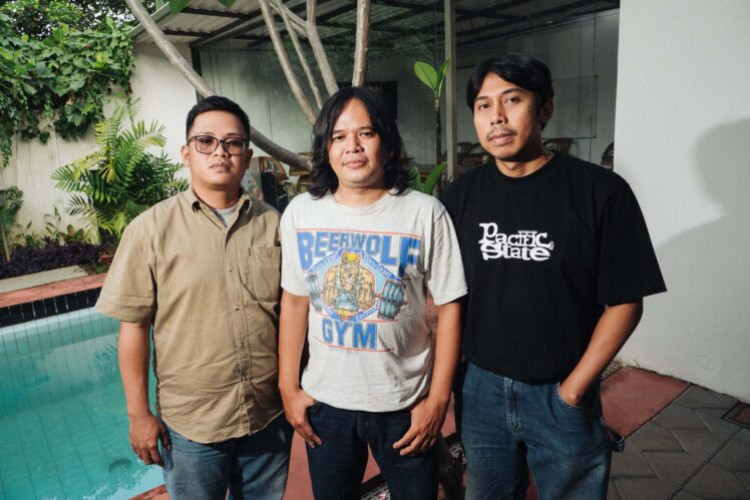
Perhaps it's each of the personnels' strong affinity and bond towards the song that makes Sigmun's music deliver a very deep and beautifully haunting performance. The highly skilled guitar and drum playing plus the impressive high-pitched voice of vocalist Haikal definitely highlights their excellent performance at our very own W_Space. This Bandung-based rock band played three songs in this session: . Consisted of Haikal Azizi (vocal/guitar), Nurachman Andhika (guitar), Mirfak Prabowo (bass) and Risyad Tabattala (drums), the name “Sigmun” itself is derived from the famous neurologist Sigmund Freud due to their fascination upon his defense mechanism theory and unconscious mind. In its interview with The Wknd Sessions, Sigmun mentioned that they are intrigued by the idea that there are elements in our body that we are unaware of; and Sigmun tries to dig up those ideas by creating music. Check their performances and interview out on The Wknd website!
Why are we so obsessed with the pursuit of authenticity? by Steven Poole “Modern mass-media gluttony, or foodism, has its own cluster of presumed ‘authentic’ virtues. The idea of ‘real’ food is sometimes parsed, adorably, as food with no chemicals, though all food is made of chemicals. It is widely assumed that food sold as organic is purer and closer to an assumedly benign Nature, although no food is made from inorganic matter and organic farming standards sanction the use of neurotoxic fertilisers.” Have you ever looked for “original” coffee or restaurants that serve “authentic dishes” from this or that country? The chances are that we all have – at least once. And this preference does not apply to food alone, according to Poole. A Tweetable Feast “Food is inherently social, best consumed with friends or family; even eating with strangers is better than eating alone. It is essential to our social life that we invite people to eat with us, even when we’re separated by space and time.” Keller points out the social values of dining, and why he thinks that the flood of food photos on Instagram and other social media outlets might not be such a bad thing. He continues to say that even though “we laugh at our Instagrammed plates and tweets about lunch,” we realize that “the pixilated dishes on Skype or Google+ might be a viable alternative to the kitchen table.” The Culinary Triangle by Sara Davis “Cultural values and fears might manifest through actual cooking and eating practices, as when we bake our most elaborate pastries for milestones such as birthdays or weddings, or when we refuse to eat food that has fallen on the floor because it has strayed into the zone of the rotten.” This essay is largely based on Claude Levi-Strauss’s three categories of food: raw, cooked, and rotten. Davis emphasizes the different attitudes that different cultures have toward those categories. Star Wars by Tom Vanderbilt “In the days before the Internet, eating at an unknown restaurant meant relying on a clutch of quick and dirty heuristics.” Eating out used to be an adventure, but Vanderbilt notes that nowadays, we are faced with the never-ending supply of reviews and online recommendation. In short, the modern food enthusiast is exposed to many – perhaps even too many – choices. How should we filter out all that information? The Kinfolk Table This recipe book “puts the emphasis back into the relationships that surround eating. Let the people sharing your dinner table be the foreground and superficial details such as fancy recipes and table decorations can fade into the background.” What do you think about the new aesthetics of food? Presentation is now almost, if not more important than “authenticity” itself. Or perhaps presentation is what makes a certain food authentic. Tuesday, December 17, 2013 7—9 pm Kinokuniya Plaza Senayan (near the language section) Jl. Asia Afrika 8 Sogo Plaza Senayan Lt. 5 Jakarta 10270 Look out for updates on our Facebook page and Twitter account! If you’d like to share your opinions, or if you have friends who’d like to share theirs, please sign up via e-mail with the subject title “We Discuss” at ! If you have comments or questions, tweet us .
, the London-based award-winning film maker, designer, and animator invites you to “In Dreams”, the visualization of four people's most vivid dreams that they remember the most as they discuss their dreams with their heads visualized as the representations of the dreams; the teeth, the hair, the tree and the eyes. is my own most vivid dream?”

Tahun ini Grrrl Gang mendapatkan kesempatan untuk menjadi salah satu line up di We The Fest 2019, dan Vindy diperbolehkan untuk mengikuti aktivitas mereka.
Temukan siapa dirimu dan bagaimana karaktermu menentukan arah masa depan.