When an artist picks the tools of his or her trade, it is often a matter of preference. However, it is important to remember that there is also a purpose that is parallel to the age in which the artist lives in. In the first essay of her series, Kriztille Junio offers a personal insight into the artistic medium and how it evolves with technology.
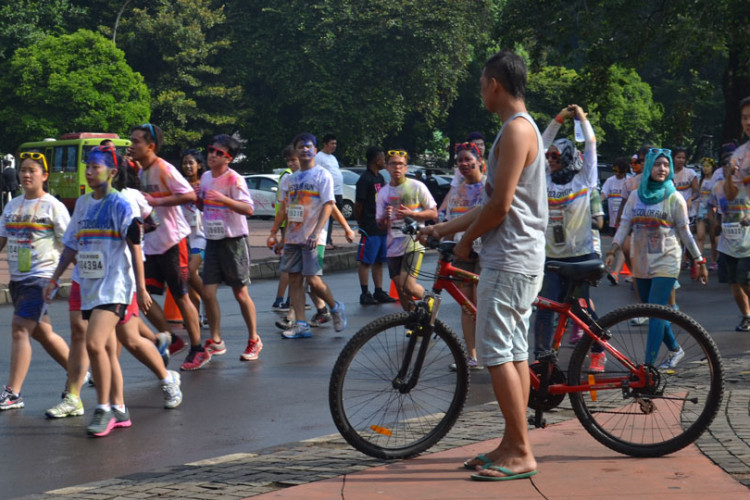
“Walking is, in addition to being a healthy endeavor, also an effective means of travel,” writes Tama Salim. He is convinced that, if given the chance, Jakarta can be a pedestrian-friendly city. In the second part of his essay series on walking, Tama sets out to debunk the myth that the residents of Jakarta are reluctant walkers.
Abebe Tinari spends almost as much time reading about games as he does playing them. Sadly, video game criticism is lacking compared to other media. Language is an essential tool for criticism, but its effectiveness is often hindered by our inability to utilize it properly. This essay focuses on the neglected link between words and video games.
"If I could choose a life, I would be a tiger," says the unnamed narrator of the Monsoon Tiger series. Chapter Six is the final part of Rain Chudori's imaginative exploration on love, intimacy and the relationships that do or don't bind them. Readers will be reminded of the bittersweetness of endings, and that even the most heartbreaking tales have their take-home message.
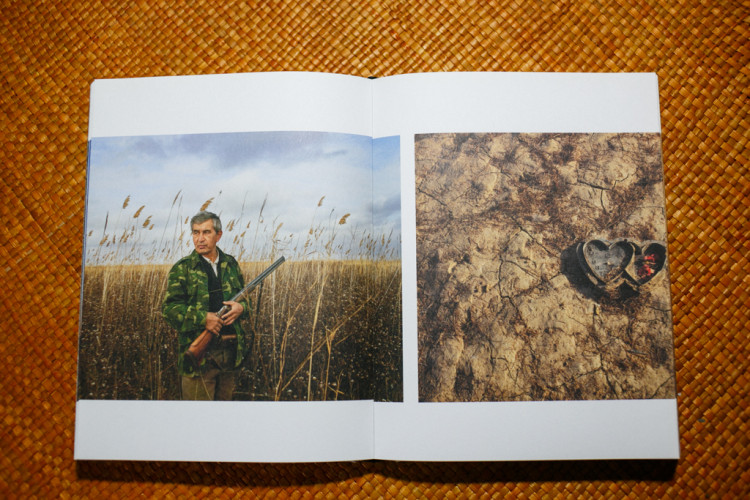
Ridzki Noviansyah ends his critical series on photography with a discussion on the photobook. Unlike the typical book that only contains words, the photobook is usually made up of the combination of textual and visual information. This fundamental difference requires specific methods in creating, reading, and distributing photobooks. This piece covers crucial points regarding photobooks in the Indonesian context.
Ever since he was a given a copy of Juice battling Supernatural, our author started following hip hop's battle scene. And as last weekend saw one of the most highly anticipated battle happen (Hollow da Don vs Loaded Lux), he couldn't help but write this column to share what he knows of the sport by introducing it to Whiteboard Journal readers. Read on and take a look at what he has to say about it.