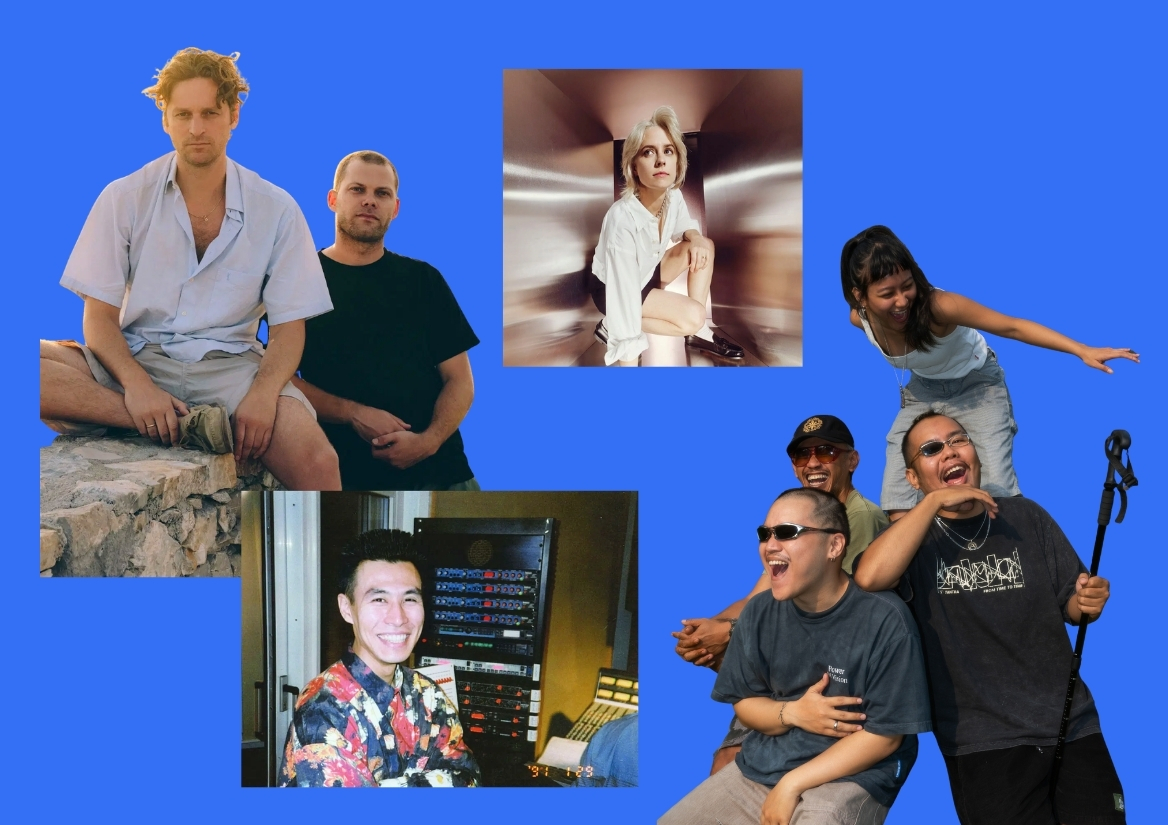


Dekmantel Soundsystem, Soichi Terada, and Avalon Emerson interviewed by Dawn Gong on How They Deal with the Shifting Club Culture
Ahead of Dekmantel x Potato Head, Dawn Gong converses with Dekmantel Soundsystem, Avalon Emerson, and Soichi Terada on the current partying-scape, to what it takes to keep up with the changing times while also juggling multiple roles in music.

Words by Whiteboardjournal
Words: Garrin Faturrahman
Images: Dawn Gong; Dekmantel Soundsystem; Avalon Emerson; Soichi Terada
Judging by the landscape today, one might be able to notice how the glint and glitter of clubs and bars are shifting elsewhere. Arguably, that is, towards sports, health, and wellness. While that might be the case around Indonesia, can we say the same in other places?
Though surefire answers are still bound to be found, we do have a couple of friends that can help us map out what it is like out there. Not only that, the good people at Dawn Gong, the Yogyakarta-based outfit comprised of those that are engaged in the music community, are also connected to the people that are up for Potato Head’s latest offering: Dekmantel Soundsystem (NL), Avalon Emerson (US), and Soichi Terada (JP).
Their conversation is part of the upcoming Dekmantel x Potato Head, where the Amsterdam’s independent label and forerunner in techno and electro movement reunites with Potato Head for a full-circle, day–night celebration of electronic dance music and community. Dekmantel x Potato Head brings out listening sessions, live Q&A, and a Desa Dialogue, and of course the lineup: Avalon Emerson (US), Dekmantel Soundsystem (NL), Fafi Abdel Nour (NL), Ogazón (DE), Soichi Terada LIVE (JP), Danny Satria LIVE, alongside Archie, Bagvs, Dita, Kaazi (AU), Kiwed, and Sattle.
Get caught up with Dawn Gong and Dekmantel Soundsystem, Avalon Emerson, and Soichi Terada as they converse around the current partying-scape, to what it takes to keep up with the changing times while also juggling multiple roles in music.
Dawn Gong: Since you’re DJing as well as being the people behind Dekmantel, how do you manage your time (or draw boundaries) between those two different roles?
Dekmantel Soundsystem: We started out as DJs, basically from a love for collecting records, digging for music and sharing music with friends. From there Dekmantel started, and later the label, the festival and everything around it. So for us, those things have always been very connected.
Of course Dekmantel has grown a lot over the years and with that also comes more responsibility. We can’t do it all, so we definitely have to pick our tours and DJ shows more carefully than before. But at the same time, DJing and travelling are still a very important part of what Dekmantel is.
Digging for music, meeting local DJs and promoters, discovering new venues and seeing what is happening in different cities around the world is also how we stay connected to music. You meet so many people while travelling and quite often those connections eventually find their way back into the festival or label.
Dawn Gong: How do you stay consistent running the festival, record label, and your other programs year after year, while still keeping pace with the times – both music trends and fast-moving tech?
Dekmantel Soundsystem: Dekmantel is all about curation, and we have a very passionate team where basically everyone is a big music fanatic.
There is always new music being shared and everyone brings their own taste, knowledge and discoveries to the table. We always try to renew and innovate, but at the same time we stay true to the things that inspired us in the first place.
We don’t necessarily follow every new trend. We focus a lot on new and upcoming artists and new developments in music, but at the same time we want to honour the legends and the people who have been our inspiration since day one.
I think the combination of those two things has always been important for Dekmantel.
Dawn Gong: Lately, in Indonesia there’s been a pretty big lifestyle shift toward sport, health, and wellness. So many clubs and bars are quiet, some even shutting down. People now prefer to hang out with friends at the sports court instead. How does that compare to where you live, are you seeing a similar shift, and what do you make of it?
Avalon Emerson: People are definitely still partying in New York and Berlin, which I guess is the evergreen style in those places! But yes, there are a lot more non-club social events popping up, like SoulCycle-type things, run clubs, morning yoga discos, etc., as a social stand-in for bars and clubs.
I think everyone’s baseline anxiety has been steadily rising for about the last 10 years, and I think that’s contributing to people drinking less and being more conscious of their health in general. Things are also just so expensive everywhere now that it’s not as easy to go out and spend a bunch of money every weekend like it once was. I get it, and I think people should spend time with one another however they can.
Soichi Terada: I just didn’t know the tendency of the recent lifestyle in Indonesia. People seem to be drinking and dancing the same as in the past in Tokyo, even though it is getting super hot particularly in summer.
In Japan, the festivals held in nature or outside are growing from my perspective, compared to the small decrease of huge nightclubs. And I think we have small venues opening in Tokyo. I am interested in which sports they like in Indonesia. Football?
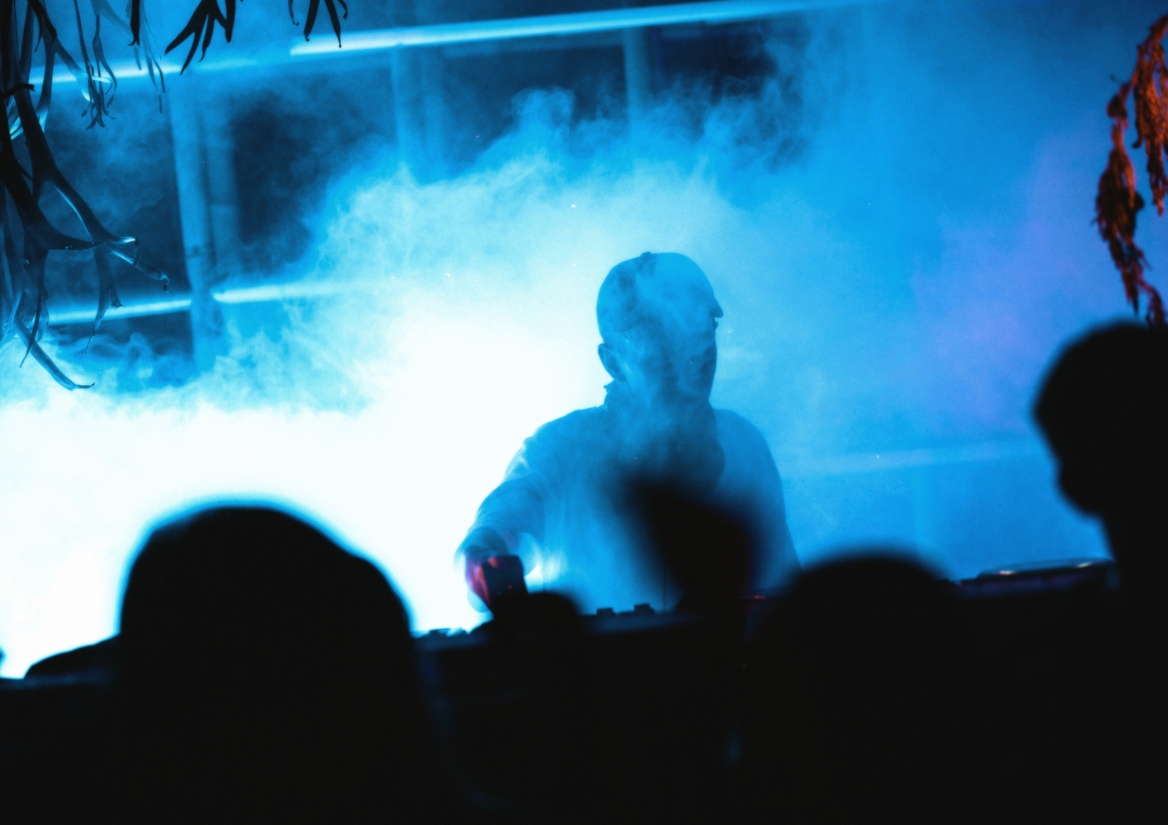
Image via Potato Head
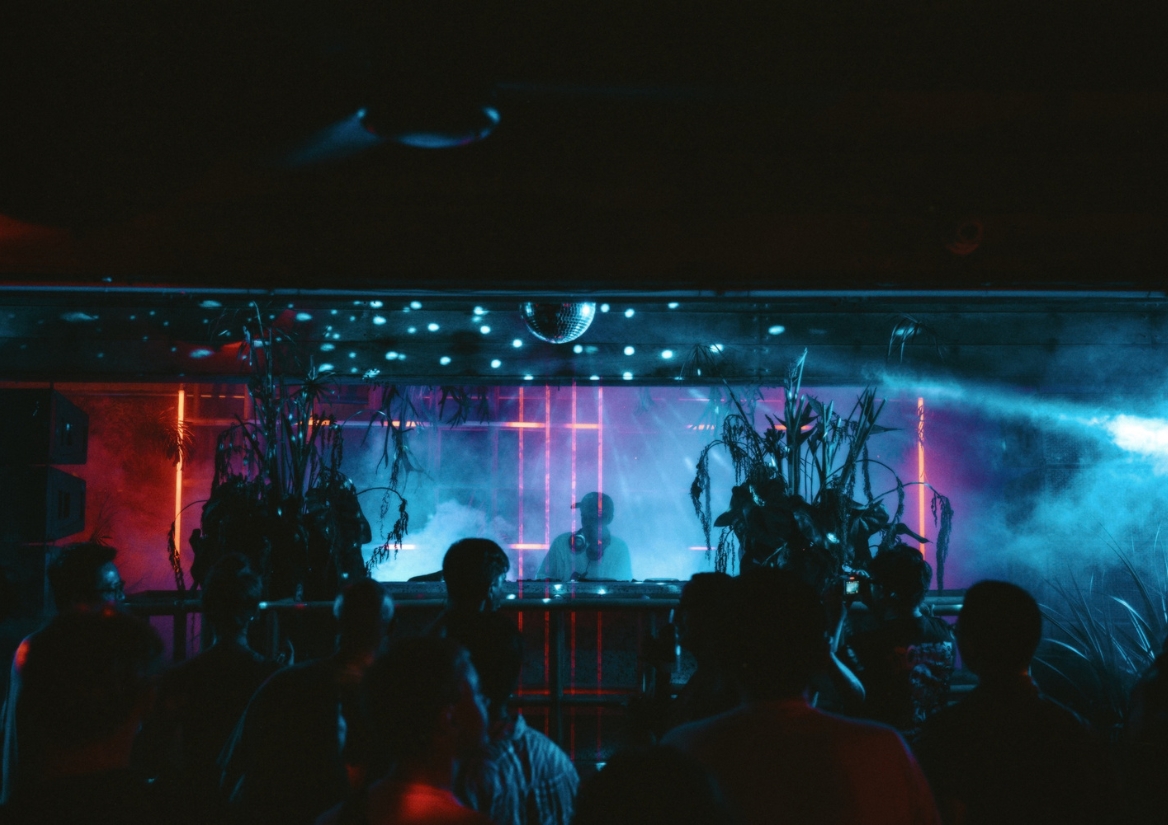
Image via Potato Head
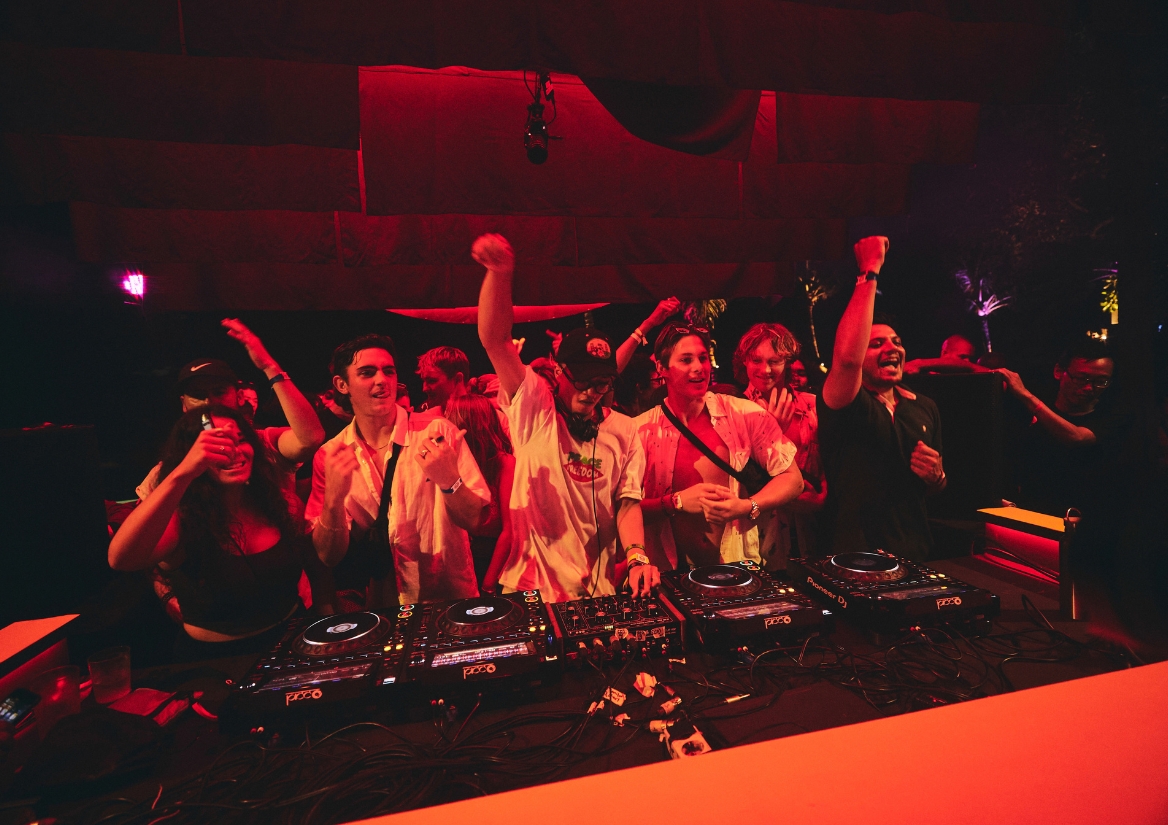
Image via Potato Head
Image via Potato Head
Dawn Gong: Congratulations on the second studio album from Avalon Emerson & The Charms! Dream-pop is a big thing here, so it’d be great to see the band on tour! How do you manage these two different creative directions, since you tour worldwide as a DJ while also singing in the band?
Avalon Emerson: This has been the busiest year I’ve ever had. It’s been hard in a lot of ways, and as both projects keep going I’m reaching some real ceilings of what I have the time, space and energy to do.
But creatively it’s very fun and fulfilling, and it’s great to feel like the Charm is actually a pretty good band now, and that the live show and touring run smoothly. I’m very comfortable as a DJ already, so it’s nice to get a bit beyond the growing pains of being in a band, to where it’s actually fun now.
Dawn Gong: You’ve played in Indonesia more than three times now — and last time, we actually met while playing together in Yogyakarta. Apart from performing more dance-oriented live sets as Soichi Terada, you’re also known as Omodaka for more experimental work. What would it take to perform the entire Ape Escape soundtrack live, is that something you’d ever consider?
Soichi Terada: I am very glad to know that you were there when I played in Yogyakarta and we met.
Actually I was starting to play a performance with the soundtracks coming from Ape Escape in the winter of 2024. To play this new audio-visual set, I just need a little space beside the DJ booth, but I can also play movies synchronizing music if I could shoot visual signals on the back screen with HDMI cable.
Dawn Gong: What’s your take on Indonesia’s electronic music scene so far? After Dekmantel Bali, could you see a pathway or exchange program taking root here, connecting what you guys do with local collaborators?
Dekmantel Soundsystem: We have been coming to Indonesia for quite some time and have played in places like Jakarta before, so we already had a connection with the scene here before Dekmantel Bali. There have always been a lot of interesting local DJs, promoters and smaller initiatives, which is something we really like.
Over the last few years, we’ve played at Potato Head and Klymax a few times, and through that we’ve connected with more local DJs and people from the scene. We connected really well, heard some great sets by local DJs and invited some of them to play our festival.
It’s much more interesting when there is a connection with what is already happening locally, to exchange ideas and build something together.