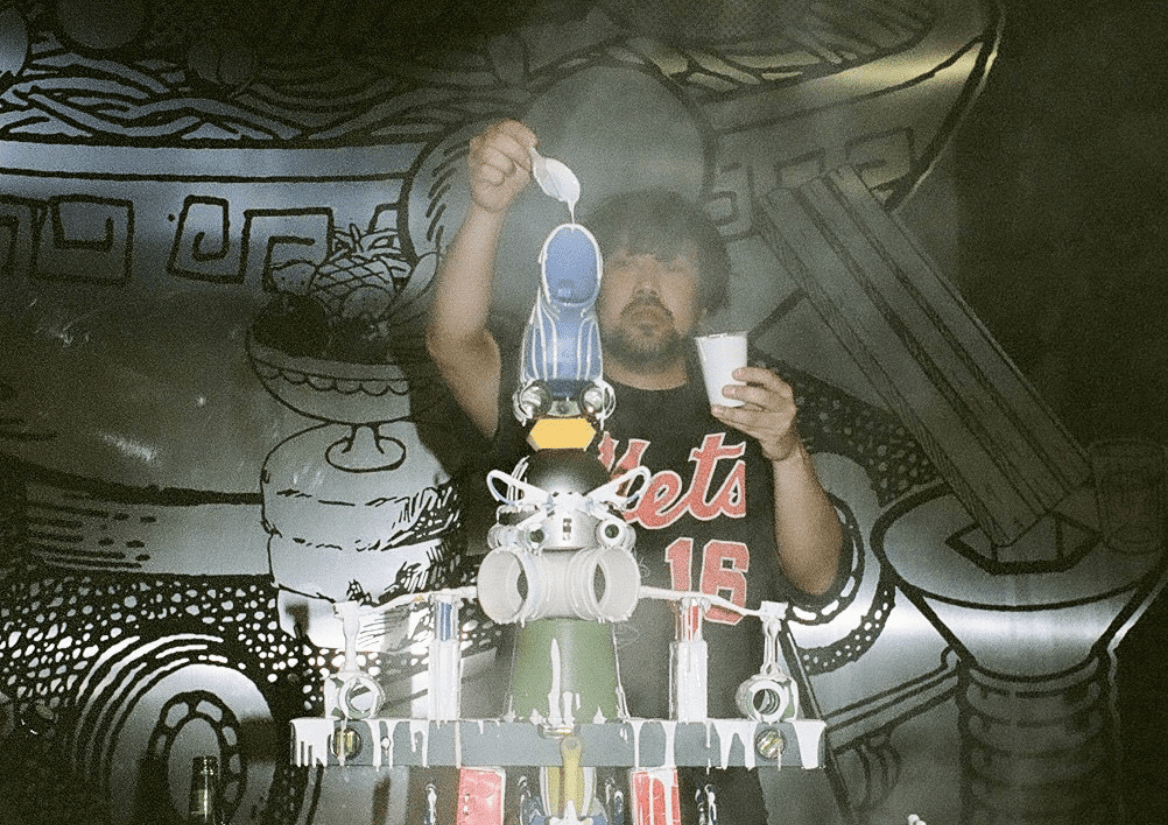


Teppei Kaneuji: “I think the fusion of contemporary pop sensibility and local context in Indonesian art resonates well with the atmosphere in Kansai.”
During Study: Osaka Kansai International Arts Festival, we had an email interview with Teppei Kaneuji, artist and sculptor that is based in Kyoto, where we talked about how Kansai has this air of alternativeness that could be felt throughout the region—which also found its way to his crafts.

Words by Whiteboard Journal
Words: Garrin Faturrahman
Photo: Teppei Kaneuji
Often, our spatial environment is what shapes (and designs) the way we see things. Looking around us—comparing Jakarta to Yogyakarta, for instance—there’s a relatively distinct edge in the sense of people translating their senses into art. This is, as it turns out, also the case in Japan, where Kansai (Osaka, Kyoto, Nara, etc.) and Kanto (Tokyo, Saitama, Chiba, etc.), two of the most prominent regions, have a relatively different attitudes in this corridor.
Such was also one of the topics in our conversation with Teppei Kaneuji, artist and sculptor that is based in Kyoto. One of the things that he said about Kansai was about how it has this air of alternative felt throughout the region which, in turn, also found its way to his crafts, which can at least give you an idea or two after knowing his manga and music recommendations.
If you wish to see his arts first-hand, now is the right time as they are on display at the Study: Osaka Kansai International Arts Festival, held from April 11 to October 13 2025.
Your work has always touched the mundanity of everyday lives. What was the first spark that made you explore this method of work?
When I aspired to become an artist in the late 1990s, it was a time of global uncertainty, coinciding with the turn of the century. In Japan, the economic downturn after the collapse of the bubble economy persisted, and there were also a series of major disasters and incidents.
It was also around the time when the internet was beginning to spread. Rather than grand messages or large-scale connections, I found a sense of reality in the ordinary, small things and spaces around me. I envisioned a kind of universe suddenly expanding from the pursuit of beauty in those mundane and minor elements.
This approach is similar to the movement of bedroom music and the sampling techniques used in that music scene. I believe that whether in daily life or extraordinary circumstances, even in the most tragic of situations, there is always a unique kind of beauty inherent to that time and place.
I also heard your work is also closely intertwined with manga. Why did you choose this form of storytelling as a point of reference?
In Japan, there is an overwhelming number of manga works with exceptional quality, and the stories and worlds depicted in manga have significant influence over real life. I find this phenomenon itself to be extremely fascinating.
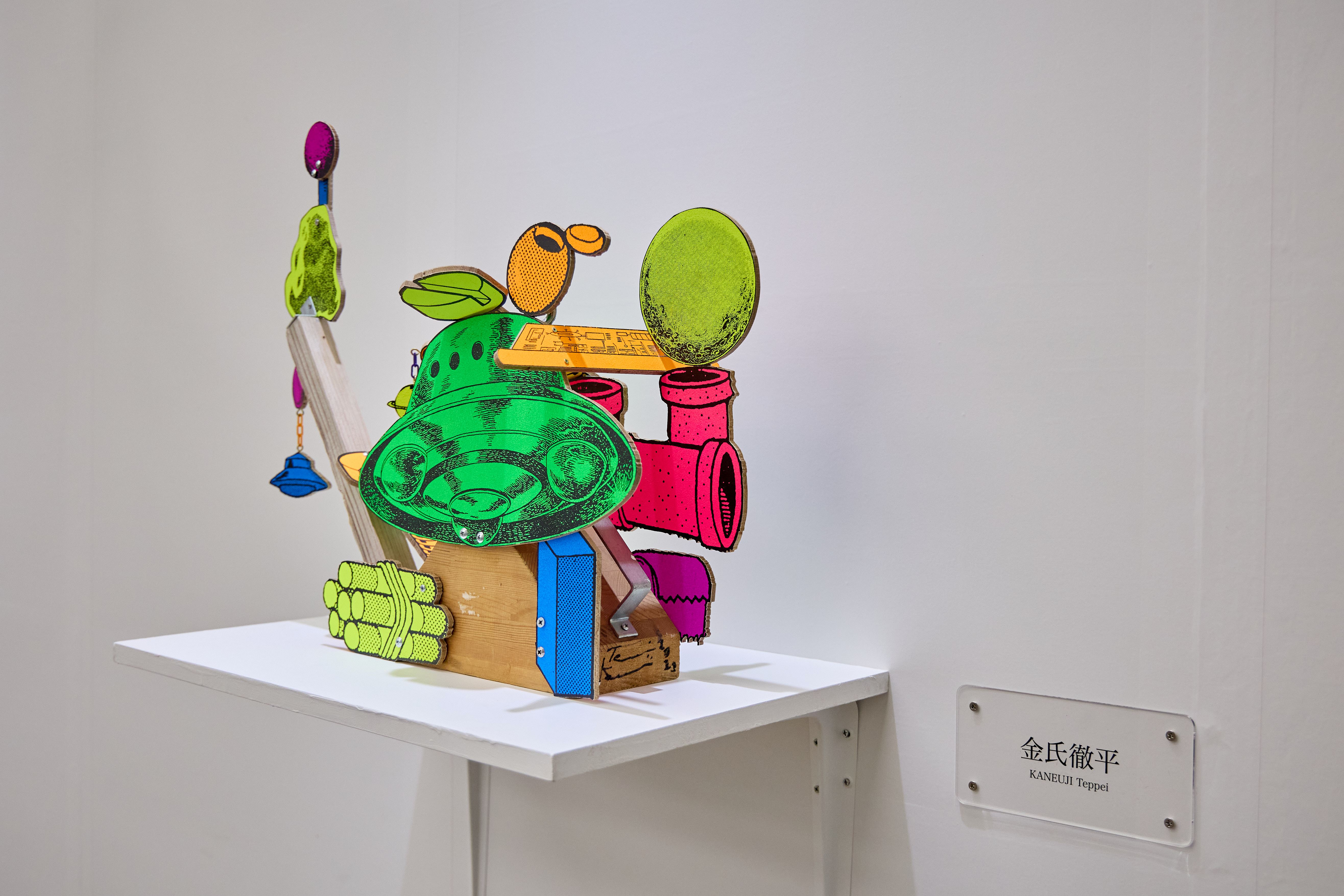
Image via Study: Osaka Kansai International Art Festival
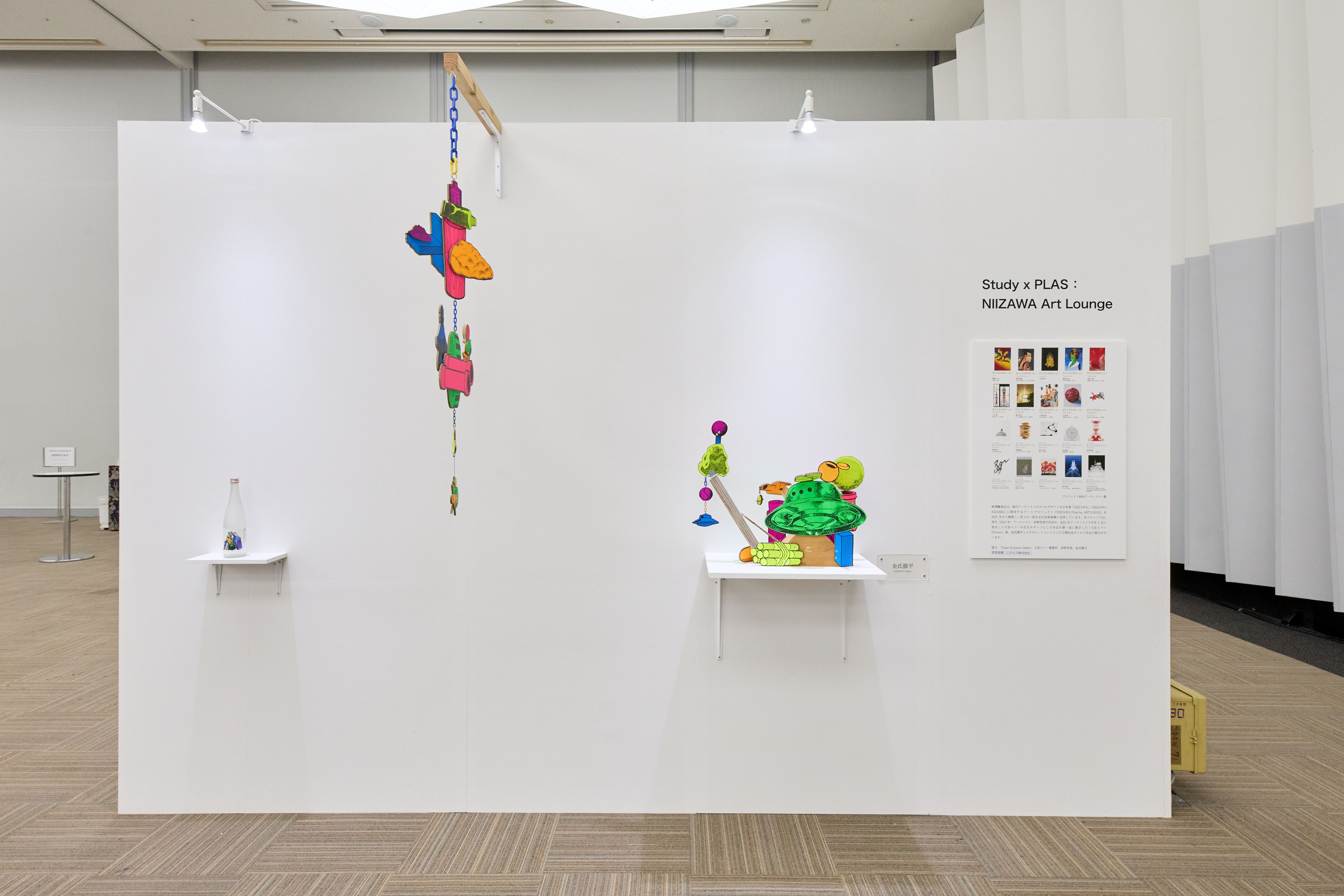
Image via Study: Osaka Kansai International Art Festival
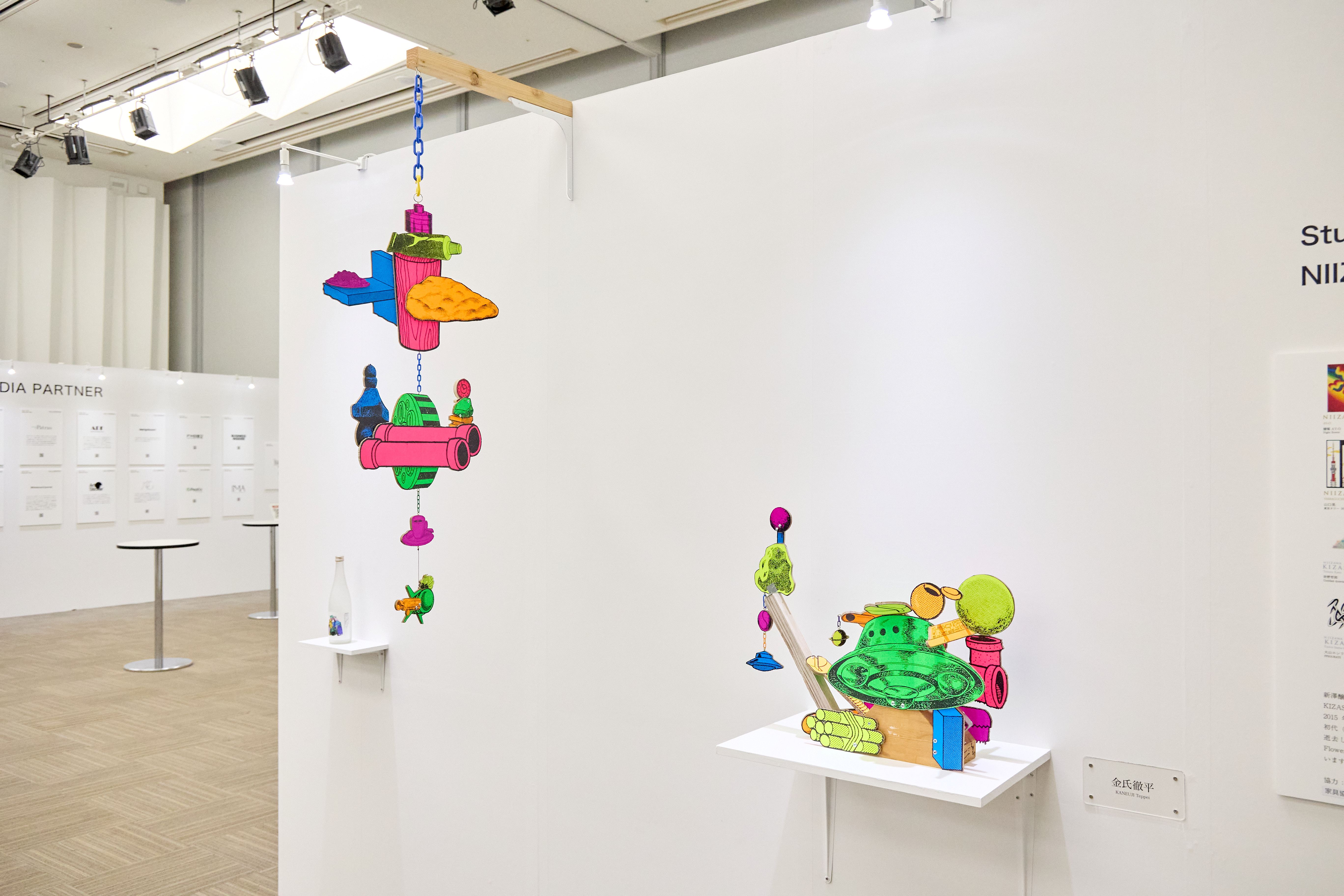
Image via Study: Osaka Kansai International Art Festival
By blending the physical spaces and objects of reality with those of the manga world, I challenge myself to create new sculptural works, spatial qualities, and narratives. Through this, I seek to offer fresh perspectives on the relationship between fiction and reality.
On that note, can you please mention 5 of your all time favorite manga?
My taste in manga is actually quite niche — most of my favorites are from the 1960s to 1980s. Many manga artists from that period were influenced by Surrealism, and it was through manga that I became interested in that genre as a child.
These works often portrayed mass-produced industrial goods in an almost joyful manner, which reminded me of Duchamp’s readymades and the aesthetics of the Futurists.
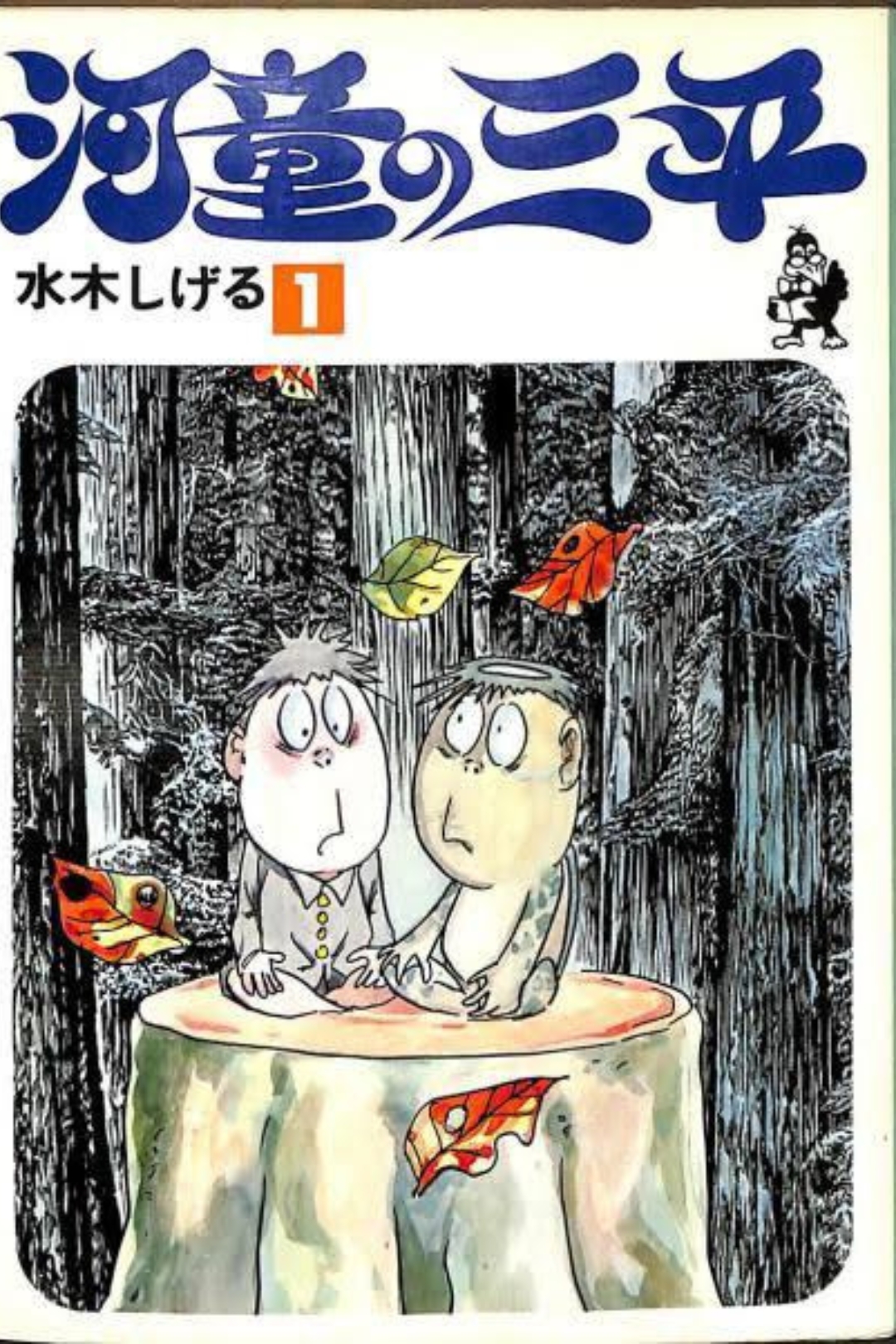
Kappa no Sanpei by Shigeru Mizuki (©️河童の三平 表紙/著:水木しげる/汐文社(ホームコミックス))
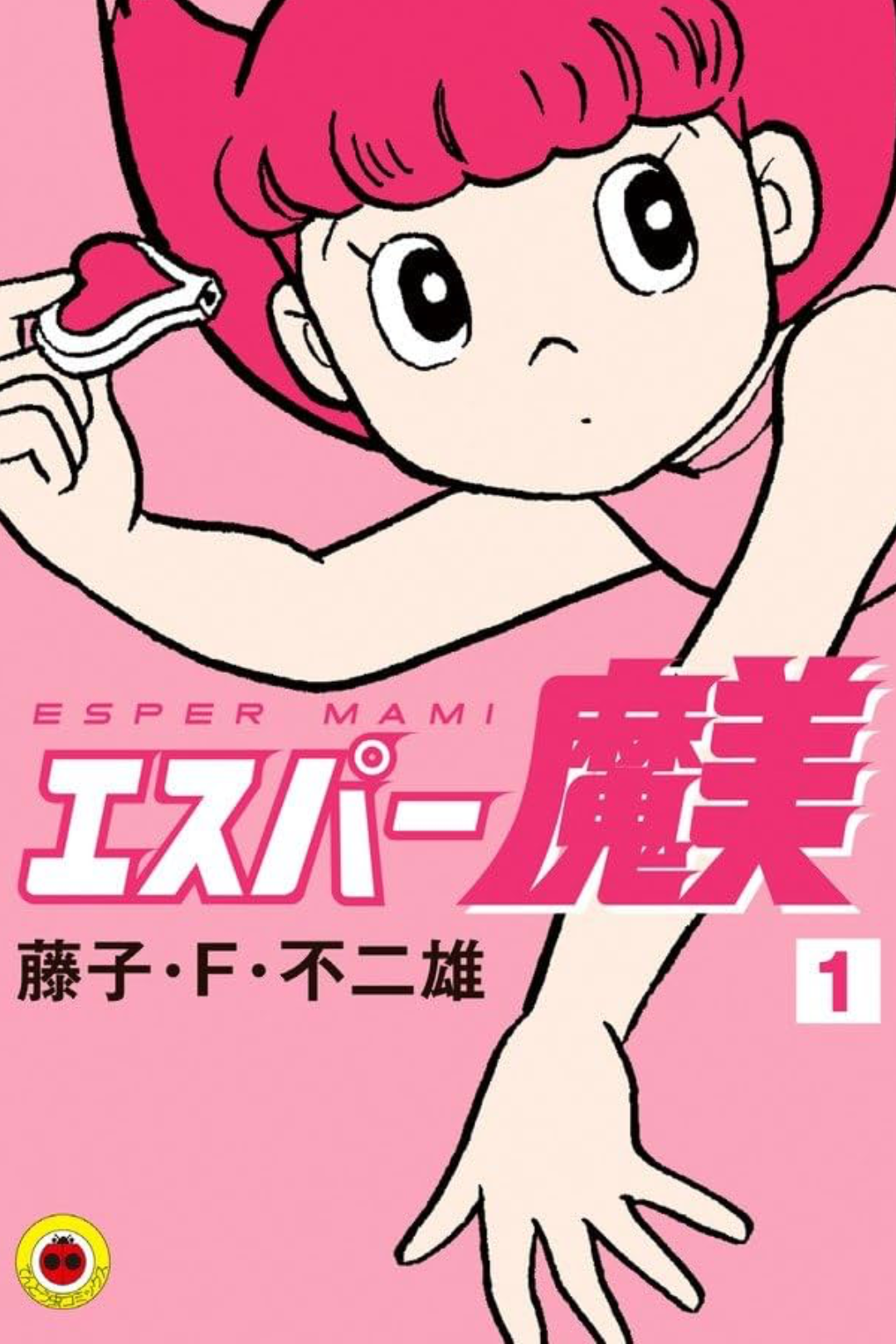
Esper Mami by Fujiko F. Fujio (©️エスパー魔美(1)表紙/著:藤子・F・不二雄/小学館)
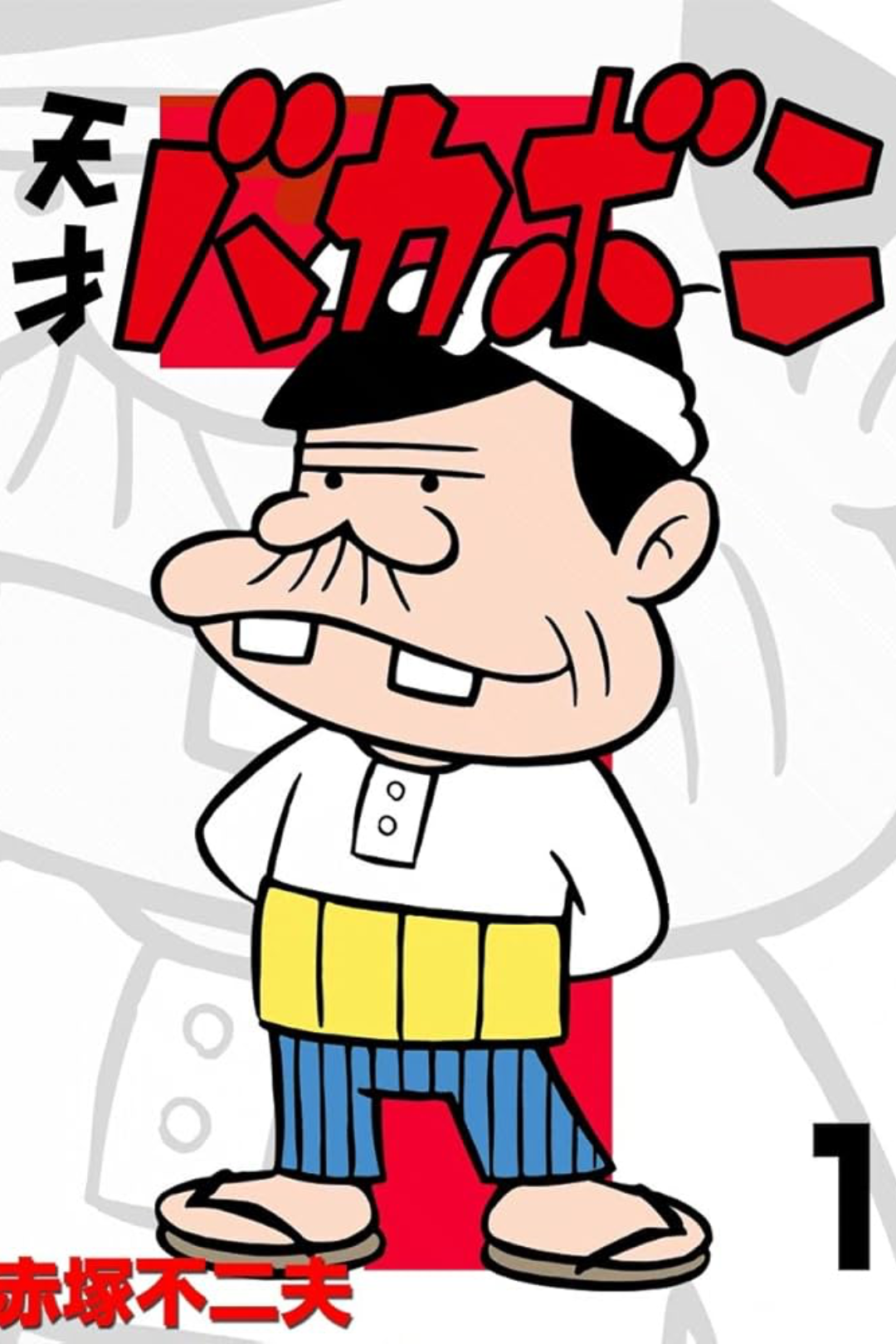
Tensai Bakabon by Fujio Akatsuka (©️電子版 天才バカボン(1)表紙/著:赤塚不二夫/少年サンデーコミックス/小学館)
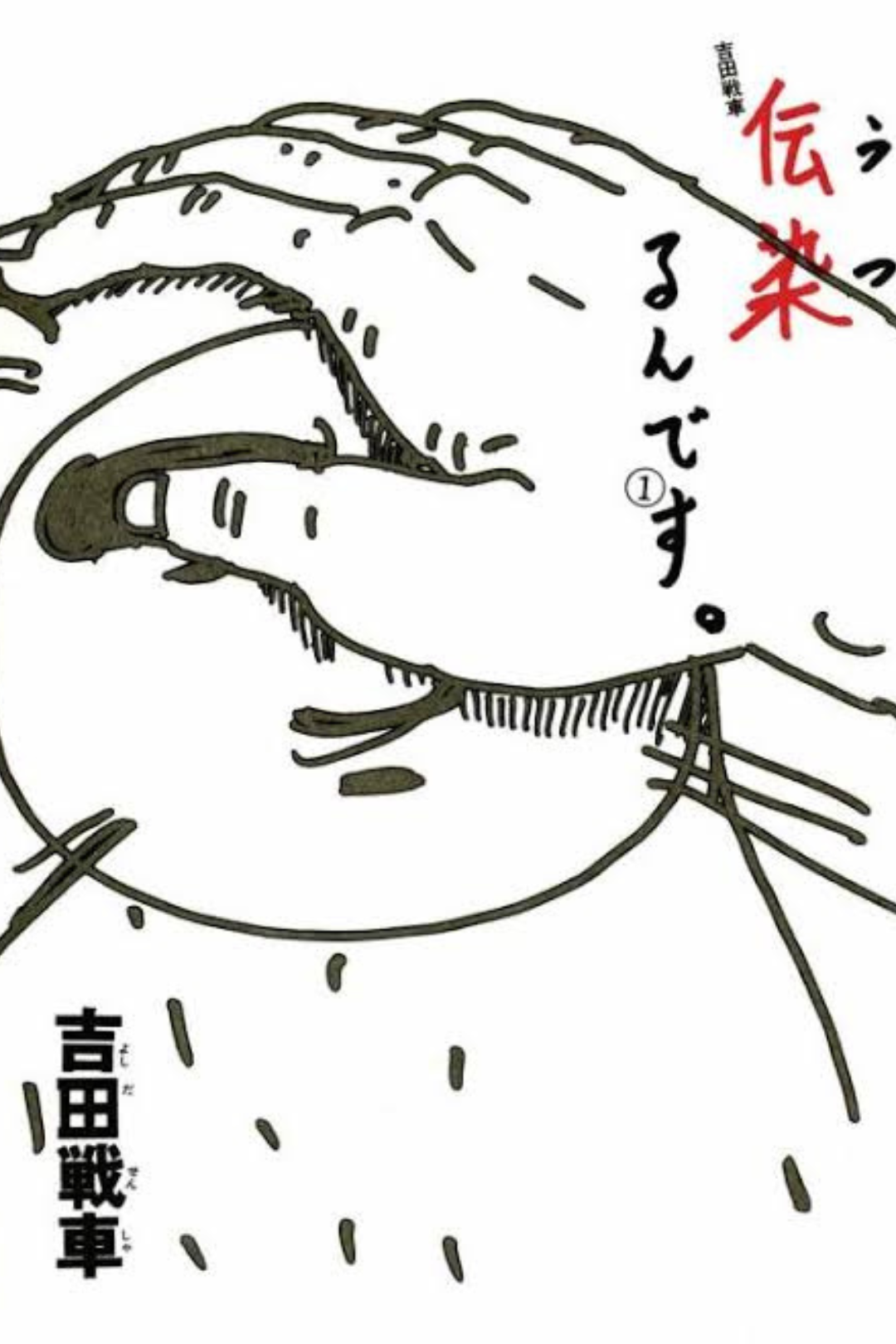
Utsurundesu by Sensha Yoshida (©️伝染(うつ)るんです。(1) e-Books表紙/著:吉田 戦車/小学館(ビッグコミックスピリッツ))
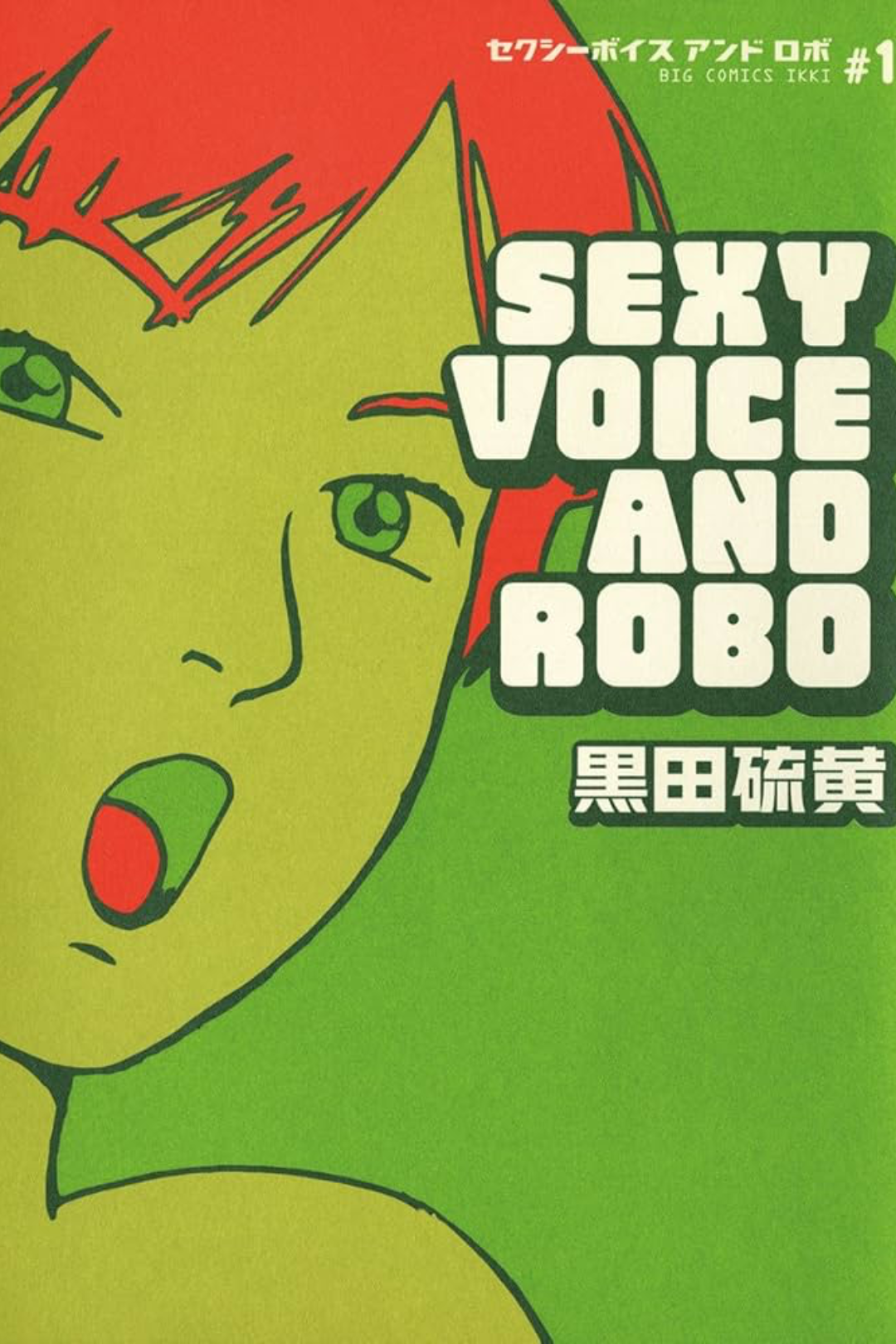
Sexy Voice and Robo by Iou Kuroda (©️セクシーボイス アンドロボ(1)表紙/著:黒田硫黄/ (IKKI COMIX)/小学館)
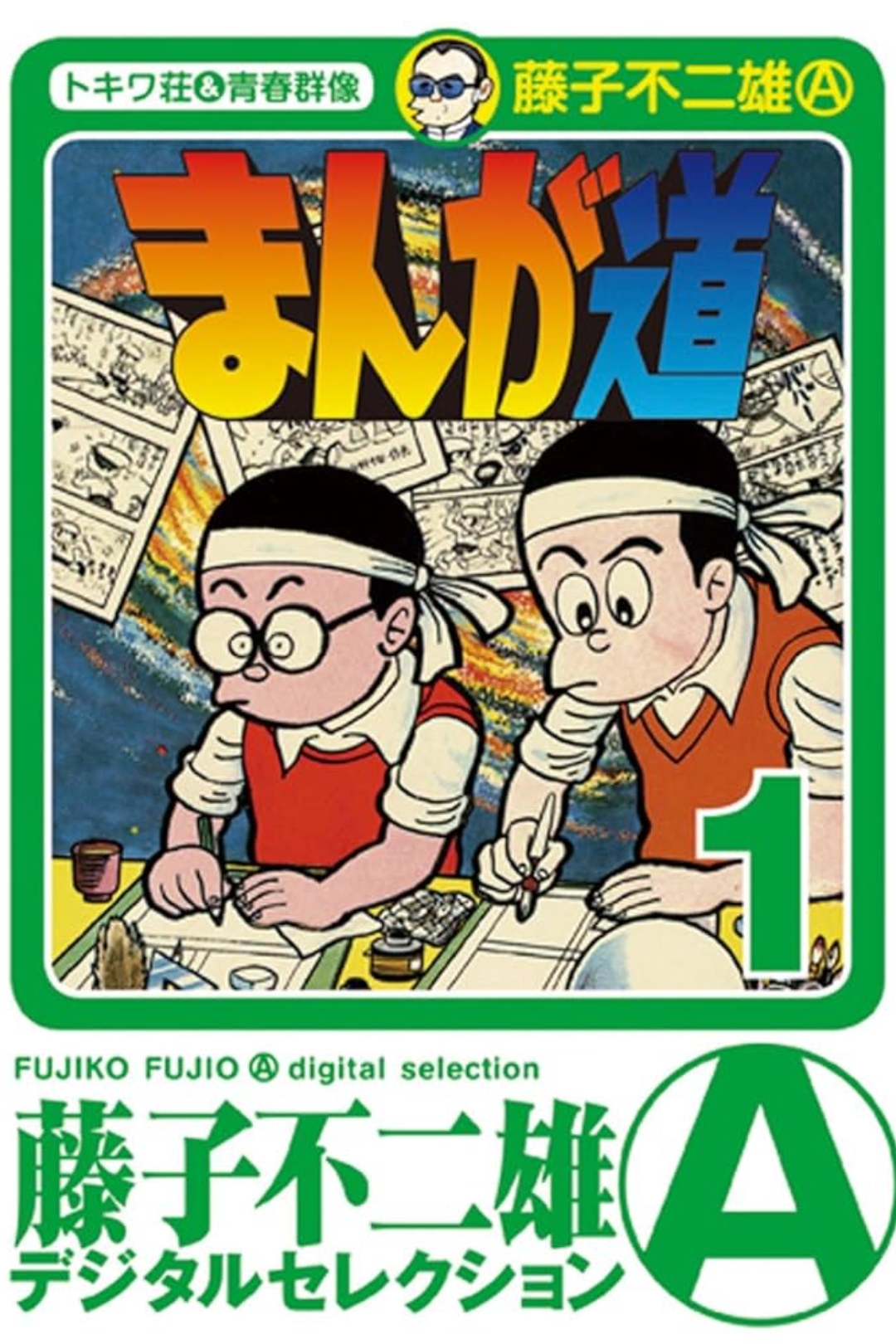
Manga Michi by Fujiko Fujio A (©️まんが道(1)表紙/著:藤子不二雄(A)/デジタルセレクション Kindle版/小学館)
I want to ask about the creative climate in the Kansai Region, as you are based in Kyoto. With the endless stream of notable arts (ranging from the more pop ones to experimental) coming from your region, may we know what you think was the initial drive that brought creatives to create groundbreaking arts with fine quality?
There is a particular aesthetic in Kansai that values being alternative. Because this region tends to be under less spotlight, it nurtures a kind of free atmosphere. Within that, original techniques and high levels of quality are cultivated naturally.
Speaking of the group exhibition, TEXTURE PUNK, which brings together Osaka-based contemporary artists, I want to ask: How would you describe the character of these artists within Tokyo?
Each artist has a completely independent stance and unique ideas. Yet, they all share a spirit that seeks to overturn conventional wisdom.
If you were to distinguish the creative scene in the Kansai and Kanto region, what would be the key differences between the two regions?
In Kansai, being alternative feels like a given. There’s a prevailing climate that encourages unique sensibilities in language and form, and a strong experimental mindset — a sort of “what’s the harm in trying” spirit — that allows new things to emerge more freely.
About the term ‘Kansai Underground,’ can you please mention the notable/leading bands from the local music scene?
The ones that personally influenced me include:

ボアダムス (Boredoms) - Chocolate Synthesizer (1994) Label: WEA Japan/Reprise Records

想い出波止場 (Omoidehatoba) - Vuoy (1997) Label: Trattoria/Polystar
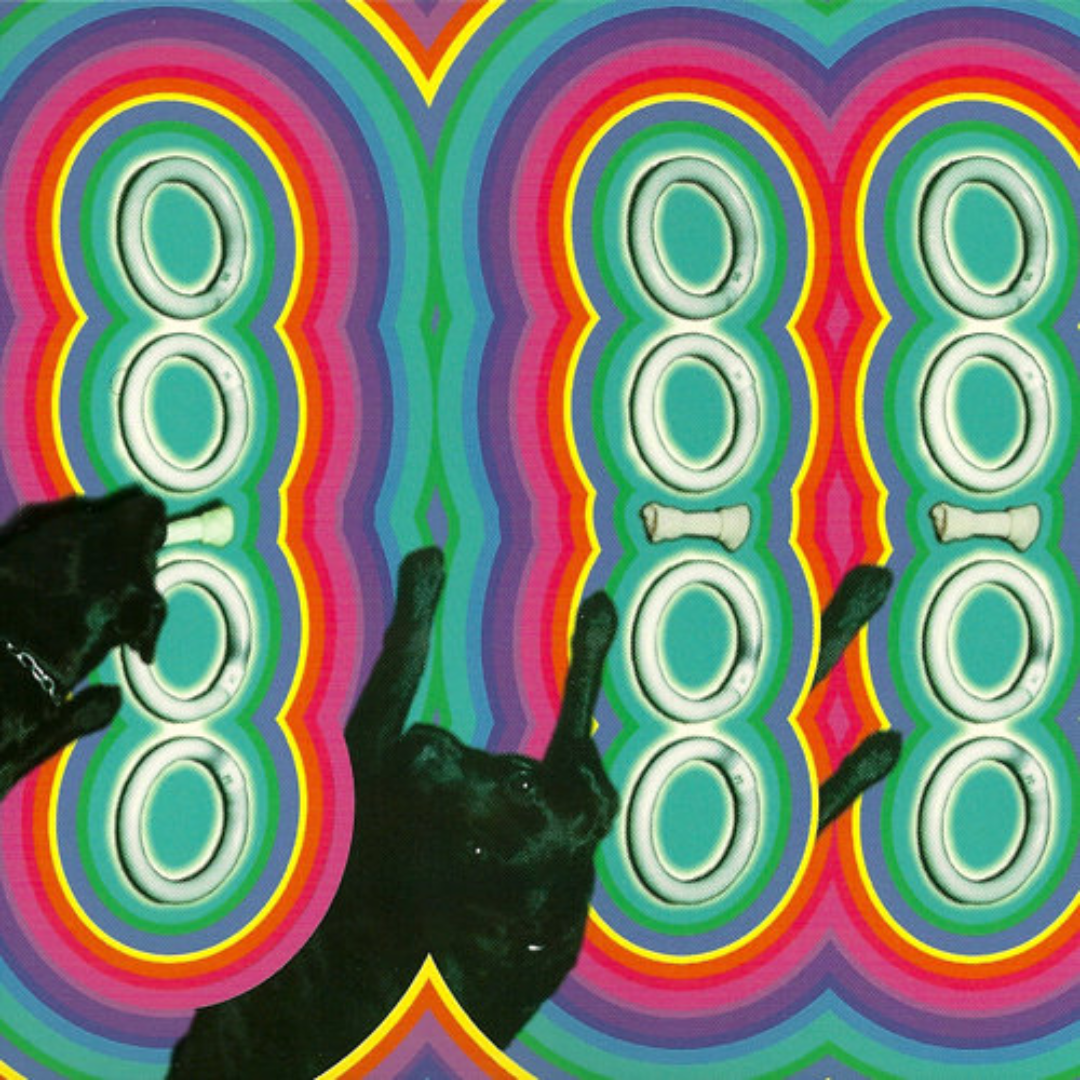
OOIOO - ∞8∞ (エイト) (1998) Label: KILL ROCK STARS

オオルタイチ (OORUTAICHI) - Cosmic Coco, Singing for a Billion Imu's Hearty Pi (2011) Label: Out One Disc

巨人ゆえにデカイ (Colossal Because They're Giants) - たてもの (2009) Label: Kyozin Yueni Dekai

NEW MANUKE - Kuknacke (2017) Label: birdFriend
I saw that you were in the same exhibition as the Indonesian artist, Eko Nugroho. Have you tasted a little of the Indonesian art scene? Can you tell us more about what you felt from our art world?
Although I haven’t met Eko personally, I’ve participated in a few projects that overlap with his, such as a residency at STPI in Singapore, which makes me feel a sense of closeness.
View this post on Instagram
I think the fusion of contemporary pop sensibility and local context in Indonesian art resonates well with the atmosphere in Kansai. I would love to someday spend time in Indonesia to create works and organize an exhibition there.