The PTT family proudly presents , the newest member of the family that already consists of the Potato Head restaurant in Jakarta and the popular Potato Head Beach Club in Bali.
Located in SCBD's Fairgrounds complex, Potato Head Garage uses the space of what was previously an old abandoned stadium. Because of its previous function, the place goes perfectly well with the dozen or so chandeliers that hang from more than a dozen chandeliers from different eras — from the 1920s to the 1980s — hang beautifully from the high ceilings. The restaurant normally accommodates 270 customers, but it is also possible to host standing parties for 700 people; making it an ideal venue for formal gatherings.
The real treat, however, is obviously the food and drinks available at Potato Head Garage. Chef is originally from Osaka, but his culinary training mostly revolved around French cuisine. The combination of his native cultural background and professional training brings a fresh touch to the dishes he prepares — particularly the steak dishes. Not only are the cooking techniques unique, but the range of premium beef used enhance the quality of the establishment's steak. For refreshments, Potato Head Garage bar offers an extensive type of mojitos, which is one of the most popular drinks in the world. Mixologist who relocated from London to Jakarta shows his talent by putting together his own mojito mixes, giving the restaurant more points of originality.
Despite the elegant industrial character of the restaurant, the place resonates a relaxed and natural vibe. Such a balance can be achieved because there is a total 210 types of plants sitting in pretty pots all around the premises. The greeneries are what make the restaurant's environment very enjoyable and not intimidating towards customers. It is this element that distinguishes Potato Head Garage from other restaurants offering top-notch meals. While the restaurant's menu is indeed special, Potato Head Garage does not aim to build an exclusive "fine-dining" image for itself. The main goal is to run a steak house that preserves classic flavours while adapting it to modern elements.
As of May 22, 2013, Potato Head Garage will also be open for lunch.
Check out Potato Head Garage's Facebook page.
With the rise of affordable airlines, travelling is becoming increasingly accessible. But travelling entails more than the physical transportation of the body from point A to point B. It also involves a movement of the human state of mind and emotions. This month, Whiteboard Journal offers a selection of books that explore the broad theme of "travelling," all of which are available at Kinokuniya stores in Jakarta.
For the month of May, Whiteboard Journal offers a selection of 10 products for stylish travelling from the The Goods Dept. Whether you travel for business purposes or for pleasure, this month's selection of products that range from bags to key chains are definitely worth checking out!
They say a photograph is worth a thousand words, but Agustinus Wibowo and Dave Lumenta, two individuals who have travelled extensively, prove that the value of photographs go beyond the number of words they are able to represent. Featuring the works of these prominent figures, this article highlights the connection between photography and travelling.
As a fan of George Orwell, I was more than excited when Penguin released an edition of the dystopian classic, , that perfectly represented one of the story's core issues: censorship. Though I already owned a copy of the book, I immediately signed into my Amazon account and ordered the latest one anyway. I convinced myself that purchasing it was just my way of appreciating the work of one of my favourite authors.
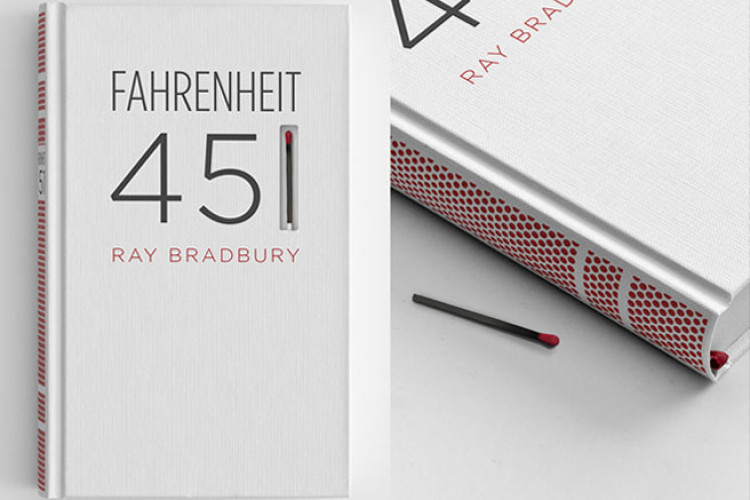
But when I found out that , another major dystopian novel by Ray Bradbury, was turned into a unique piece of art by designer Elizabeth Perez, I started to question my own motivation for buying the new 1984 edition by David Pearson. Was it really an appreciative gesture directed at the author?
From an aesthetic perspective, Perez's design is indeed eye-catching despite its simplicity, but the way in which she combined the story's main point—the horrors of living in society that burns books—with the physical book itself is what makes it interesting. The "1" in the title's "451" is replaced by a match that one can actually strike against the book's spine. Yes, this edition can actually be set on fire! Unnecessarily extreme though it may seem, it is impossible to deny the design's conceptual success.
Though I didn't purchase Perez's edition, I found myself returning to the question of appreciation. What is the true source of my fascination towards these books? Is it the author, the story, the design, the designer, or a combination of all four? More importantly, what will the answer reveal?
While great books deserve all the appreciation it can get, how many times can a book (cover) be re-designed until the story no longer becomes the reason that people talk about it? For any work of literature to become less important than its outer crust is a tragedy, but it would be unfair to say that the quality of a book's design has no impact on the reading experience. My idea of a good design is one that reminds readers of a good story, one that can symbolize rebirth. But designers, as well as readers, should not forget that the story itself hasn't changed—meaning that it is important to consider the time in which it was written. Perhaps this is the only way we can all truly respect the author without limiting our own creativity.
What do you think? Is there a purpose in re-designing book covers? To what extent should designers explore their visual interpretations of stories from the past?
Lee Cooper's involvement in the world of fashion dates back to 1908, in the east side of England's capital, London. The company has released a rich selection of garments, but this year, long after its establishment, it also focuses on the impact that clothes can have on creative individuals around the world. "Meet The Makers" is Lee Cooper's new global campaign to encourage creativity through fashion.