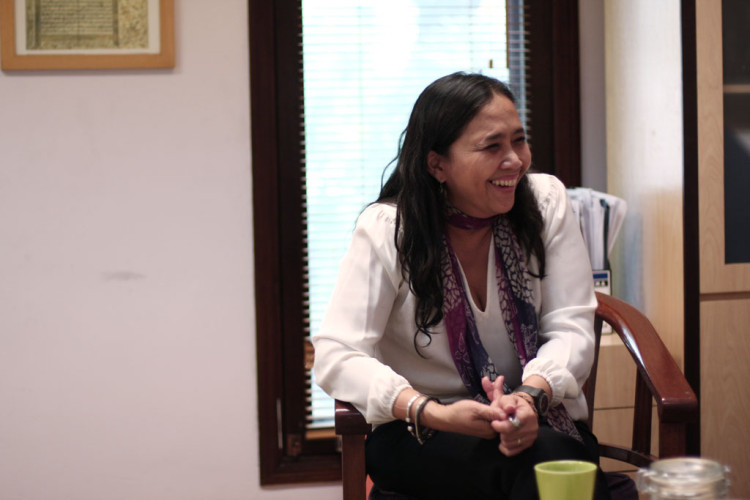
A former Tempo Magazine journalist, Dr. Sandra Hamid is the Country Representative at The Asia Foundation in Indonesia, the first national to ever hold this position. Graduating from Universitas Indonesia before getting her Phd in Cultural Anthropology in the University of Illinois, Dr. Hamid's lifelong passion for politics has translated in her work in advocating for Indonesian civil rights through the various programs at the Asia Foundation.
Essays are meant to be a reflection of an author's personal point of view. But how much self-thought can an essayist pour without becoming self-indulgent? Our literary enthusiast Dwiputri Pertiwi invites us to understand the constitution of a good essay.
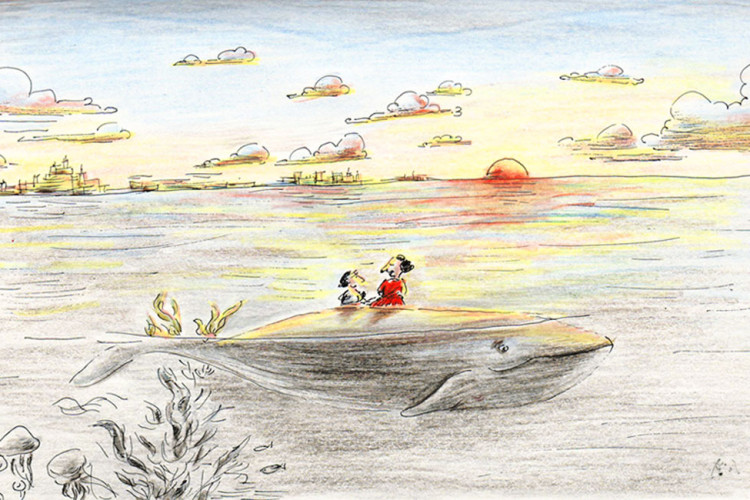
Set in Jakarta, Khairani Barokka (Okka) introduces us to a dystopian world where people live with no reminders of history or appreciation of the past. A bleak world that revolves among two central characters of a grandmother and her granddaughter seeking to find meaning of the world they live in.
There is a sense of gracefulness in every word and movement Avianti Armand displays. Maybe it stems from her childhood interest in dancing or maybe it's the way she eloquently charms people through her thoughtful opinions. Either its her persona or her body of work, Avianti Armand has consistently caught our attention as a prolific writer and architect. Whiteboard Journal had a chance to visit her at the comfortable home she and her husband designed and call 'Rumah Kampung'.
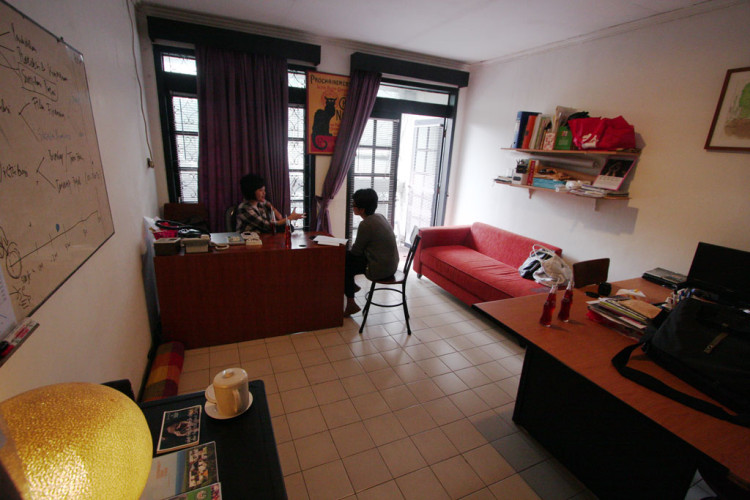
With two films under her belt, "Fiksi" and "What They Don't Talk About When They Talk about Love," film director Mouly Surya has already gained remarkable recognition internationally at Sundance for her distinctive approach in storytelling. We had the chance to visit her at her office to talk about her background and craftsmanship as a filmmaker. For those who missed out a chance on watching her film, Whiteboard Journal will have a special screening this Saturday, 27 July 2013 at W_Space.
A good documentary is informative. A great documentary touches the heart and evokes emotions. is definitely in need of it’s own category of documentaries. Controversial as it may be, the Act of Killing, well it’s just as bad as it seems, of course that all depends on which perspective you are watching the documentary from. But we can argue for the prior.
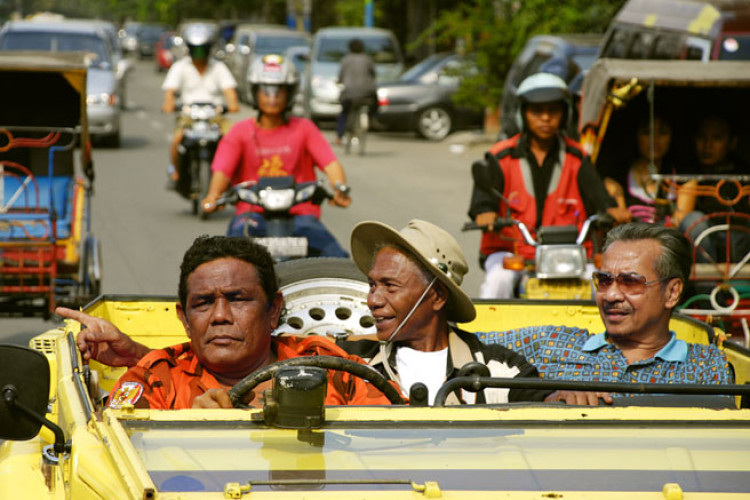
The Act of Killing is a documentary about a genocide that happened in Indonesia and then later concealed, a story that may bring people to tears but sure to turn everyone’s stomachs. The actual participants of the genocide that happened in 1965 – 1966 reenact the grueling and honest documentary. Director, tracked down the participants and put them in front of the camera and followed to the silver scene, in select locations for obvious reasons.
A brutally honest yet comedic take on killing, murder, rape; reenactments of what they seemed to enjoy. Surreal seems to be the word producers, could use to describe what they saw. An informative documentary that introduces a lot of emotional elements and slowly comes to life the more you are captivated into the eerie world of the civil unrest that unfolded in a country. These facts of history are supercharged with fantasy and fiction only to match the lunacy of these participants of the genocide, who truly believe that they in fact are innocent. In the end though, was it a bigger achievement to create an unconventional and a more thought provoking documentary or expose the crimes of the past? I guess watch the movie to make your own judgments.